Author: BE WITTY

  • Rising Fire in the Gulf: War, Power, and the Human Cost of U.S.–Iran Escalation

    Rising Fire in the Gulf: War, Power, and the Human Cost of U.S.–Iran Escalation


    U.S. Navy photograph by Lt. Lauren Chatmas.

    As tensions between the United States and the Islamic Republic of Iran intensify, communities across the globe are watching closely not only for military developments, but for the human consequences that often fall hardest on everyday people. What began in late February as coordinated U.S. and Israeli strikes on Iranian military infrastructure has escalated into one of the most volatile confrontations in the Middle East in years. U.S. officials described the opening assault as a necessary move to weaken Iran’s offensive capabilities, targeting missile systems, command centers and senior leadership figures in and around Tehran. Iranian state media confirmed the deaths of high-ranking officials in the strikes, marking a dramatic shift in an already fragile relationship between the two nations.

    Iran responded swiftly and forcefully, launching waves of ballistic missiles and drones at U.S. military installations and allied targets throughout the Gulf region. American service members have been killed in the retaliation, with additional casualties reported among regional partners. Civilian deaths are also mounting, as urban areas in Iran and parts of Israel and neighboring states have absorbed the shock of sustained aerial bombardments. Independent monitoring groups estimate that hundreds of Iranians have died since the conflict began, raising urgent concerns about humanitarian fallout.

    Beyond the battlefield, the ripple effects are being felt in global energy markets and working-class households worldwide. Iran’s moves to restrict traffic through the Strait of Hormuz a strategic passageway through which a significant portion of the world’s oil supply flows have contributed to rising fuel prices. For many families already grappling with inflation, the economic strain adds another layer of uncertainty to an already unstable moment.

    Diplomatic efforts appear strained. The United States has ordered non-essential diplomatic staff and military families to leave parts of the Middle East as security risks increase. International leaders are calling for restraint, warning that the conflict could widen if additional regional actors are drawn in. Armed groups aligned with Iran have signaled support for Tehran, raising fears that what began as a bilateral confrontation could evolve into a broader regional war.

    At home, reactions in the United States are divided. Some lawmakers argue that the strikes were a defensive necessity tied to longstanding disputes over Iran’s nuclear ambitions and regional influence. Others question the long-term strategy and warn of repeating cycles of intervention that have historically destabilized the region and disproportionately harmed civilians. Public opinion remains cautious, with many Americans expressing concern about another extended military engagement overseas.

    Image credit: Brookings

    For Black communities in the U.S., where military service is a pathway for economic mobility for many families, the stakes are deeply personal. Each casualty reverberates far beyond official briefings, touching neighborhoods where uniforms are worn with pride but also with risk. Globally, people of color often bear the brunt of geopolitical power struggles, and this moment is no exception.

    As the conflict unfolds, one reality remains clear: wars are never contained neatly within borders. They shape migration, economies, political alliances and public trust for years to come. Whether this confrontation de-escalates through diplomacy or hardens into a prolonged regional conflict will depend on decisions made in the coming days and weeks. For now, the world watches aware that beyond strategy and rhetoric, it is not the powerful architects of war who stand on the front lines, but ordinary people. Often the same working-class communities and disproportionately Black service members whose lives are now suspended in the balance.

    BY: BEWITTY Staff
  • As Black History Month Ends: We Don’t Owe You Strength

    As Black History Month Ends: We Don’t Owe You Strength

    Every February, a familiar narrative returns. We celebrate resilience. We uplift perseverance. We honor the strength of a people who turned suffering into survival and oppression into progress.

    And while there is truth in that story, there is also a quiet distortion. Somewhere along the way, strength stopped being a testament to what we endured and became an expectation of who we must be.


    Grieving protesters share an emotional embrace in West Baltimore following the 2015 death of Freddie Gray, 25, while in police custody. (Yunghi Kim / Contact Press Images)

    Black existence is constantly framed through endurance, through rising above, pushing through, and making beauty from pain. The world applauds the ability to survive what should have broken us, yet rarely questions why survival was necessary in the first place.

    Strength has been romanticized. Trauma is called inspiring. Survival is called powerful. Silence is called grace. But survival was never meant to be a personality.


    The demonstration took place in front of the Florida Theater on Monroe Street, with Sheriff William P. Joyce of Leon County pictured on the left.

    There is an unspoken pressure placed on Black lives to endure without collapsing, to forgive without closure, to succeed without rest. To turn wounds into wisdom quickly enough to make others comfortable.

    We are expected to be unshakeable in the face of injustice, to transform anger into eloquence, grief into growth. And when we don’t, when we are tired, undone, uncertain, or simply human it is treated as failure rather than truth.


    Protesters take to the streets of Ferguson, Missouri, following the 2014 shooting of 18-year-old Michael Brown. The unrest reflects deep pain and frustration over systemic injustice and the loss of a young life.

    But strength is not the only legacy we are allowed to claim. Softness is not weakness. Rest is not surrender. Joy without explanation is not indulgence.

    We do not exist to be lessons in resilience. We do not exist to be symbols of overcoming. We do not exist to inspire through our suffering.

    Our humanity is not conditional upon how much we can endure. As Black History Month closes, perhaps the most radical thing we can carry forward is this: We don’t owe the world our strength.


    Rev. Jesse Jackson, civil rights titan and enduring moral voice, now an ancestor. A relentless advocate for justice and equality, photographed at Tuskegee University. Held a global impact on human rights. Image credit: Tuskegee University

    In the end, beyond the history, beyond the expectations, beyond the myth of endless resilience, we are human. We are allowed to feel without performing strength, to rest without earning it, to exist without turning our pain into purpose. Our lives are not meant to be constant demonstrations of endurance. They are meant to include softness, uncertainty, laughter, and ease. We should be allowed the full range of humanity not just the parts that prove we can survive.

    Image credit: monkeybusinessimages/Getty Images

    We are allowed to simply be.

    If any obligation is carried forward, it isn’t owed to the world that stood by as we endured it is owed to one another. To those who came before us and those who will follow. What we owe is not strength for display, but presence in each other’s lives showing up with care, honesty, protection, and grace. We owe one another the freedom to be seen without performance, to be supported without condition, and to exist without having to justify our worth through struggle. Let what we carry forward be rooted in community not in surviving for the world’s approval, but in living fully together.

    BY: BEWITTY Staff

  • Black Cinema Takes Center Stage as ‘Sinners’ Earns Historic 16 Oscar Nominations

    Black Cinema Takes Center Stage as ‘Sinners’ Earns Historic 16 Oscar Nominations


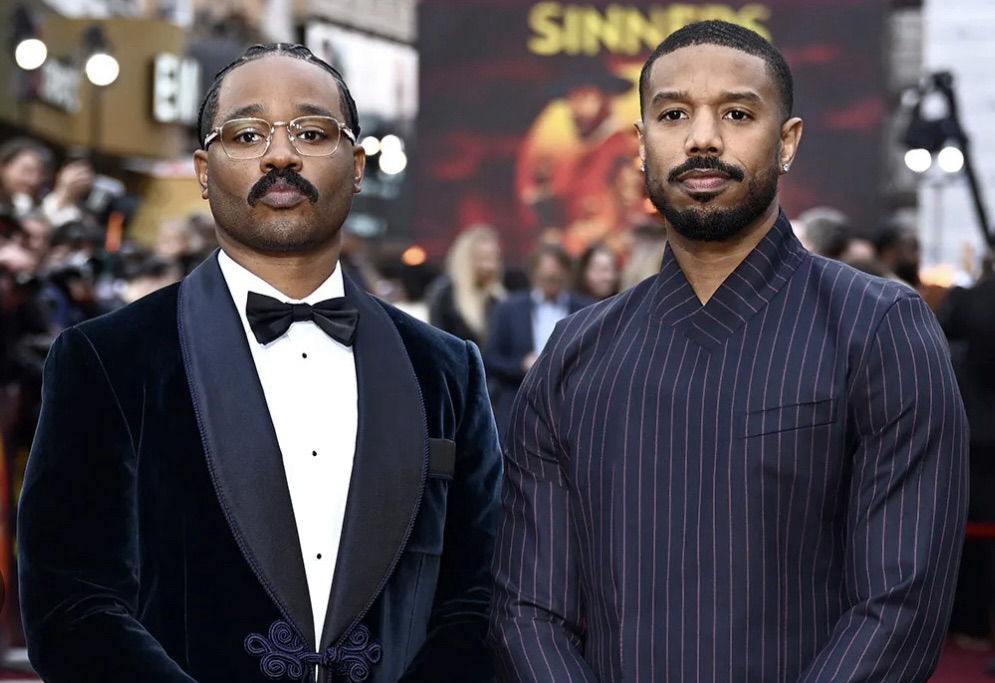
    Ryan Coogler and Michael B. Jordan at the European premiere of Sinners in London. Photo by Gareth Cattermole/Getty Images.

    Ryan Coogler’s Sinners has made Oscars history, earning 16 nominations for the 98th Academy Awards and officially becoming the most-nominated film ever recognized by the Academy, a record breaking moment that feels bigger than Hollywood and deeply personal for Black audiences who have long fought to see their stories treated with the same weight, artistry and prestige as anyone else’s. The nomination tally surpasses every film that has come before it and signals a rare alignment between critical acclaim, cultural resonance and institutional recognition for a story rooted unapologetically in Black life.

    Set in the Jim Crow era South, Sinners follows twin brothers who return home to open a blues club, only to confront racial terror and supernatural forces that blur the line between history and folklore. It’s a film steeped in the textures of Black Southern life it’s music, the grief, the faith, the grit, the beauty while daring to move beyond the narrow expectations often placed on Black cinema. Instead of staying confined to realism or trauma narratives, Coogler leans into genre, myth and imagination, proving that Black stories can be expansive, cinematic and otherworldly while still grounded in truth. That creative freedom is part of what makes the film’s historic nomination count feel so significant: it validates not just representation, but range.

    The Academy recognized Sinners across nearly every major and technical category, including Best Picture, Best Director and Best Original Screenplay for Coogler and Best Actor for Michael B. Jordan, who earned the first Oscar nomination of his career for a demanding dual performance. Veteran actor Delroy Lindo received his first nomination at age 73, a moment that many fans see as long overdue recognition for decades of powerful work that too often went overlooked. Wunmi Mosaku’s supporting actress nod further speaks to the depth of the ensemble.


    Image credit: Michael B. Jordan portraying twin brothers in “Sinners.” -Warner Bros.

    Among the most meaningful milestones is another for costume designer Ruth E. Carter, whose work has long defined the visual language of Black history on screen. With her latest nomination for Sinners, Carter becomes the most-nominated Black woman in Academy Awards history, a distinction that resonates with her generations of talent threading culture into every garment.

    For Coogler, an Oakland-born filmmaker who has consistently centered Black identity in blockbuster spaces, the achievement marks a new chapter in a career built on intention. From Fruitvale Station to Creed to Black Panther, he has shown that films grounded in Black experience can be both commercially successful and artistically ambitious. With Sinners, he pushes that idea even further, crafting a story that is at once intimate and epic, historical and speculative, spiritual and political.

    The cinematic significance of this moment extends beyond trophies. For decades, Black filmmakers have had to fight for funding, distribution and legitimacy, often told that their narratives were too specific to resonate widely. Yet here stands a blues-soaked, Southern Gothic tale about Black survival and imagination holding the highest nomination count in Oscars history.

    Whether or not the film converts nominations into wins, the milestone is already set. With 16 nods, Sinners stands as the most nominated movie the Academy has ever recognized a distinction that reflects both its artistry and its cultural reach. For Black creatives who have long pushed the industry forward, the achievement feels simple and well earned: the work spoke, and the Academy responded.

    BY: BEWITTY Staff

  • The Legacy of Martin Luther King Jr.: Courage Beyond Comfort

    The Legacy of Martin Luther King Jr.: Courage Beyond Comfort

    Civil Rights leader & Black American Icon Dr. Martin Luther King Jr.

    Each year on Martin Luther King Jr. Day, America repeats a familiar ritual. Quotes are shared, photos are reposted, and Dr. King is remembered as a gentle dreamer whose message was unity, peace, and hope. This version of Dr. King is comforting. It is also incomplete.

    If Martin Luther King Jr. were alive today, he would not be widely celebrated. He would be criticized, mischaracterized, and accused of being divisive. The language would be different, but the response would be the same. Where he was once called an agitator or a troublemaker, today he would be labeled “woke,” “radical,” or “anti-American.” His presence would not be welcomed; it would be policed.

    This is not speculation—it is history. During his lifetime, Dr. King was deeply unpopular with the majority of Americans. He was surveilled by the federal government, jailed repeatedly, and pressured to abandon his work. He was told to slow down, to wait, and to be more considerate of those made uncomfortable by his demands. His strongest opposition often came not from extremists alone, but from moderates who preferred order over justice.

    If Dr. King were organizing today, he would be condemned for the same reasons. He would be criticized for disrupting traffic, for interfering with the economy, and for refusing to make his demands more palatable. His outspoken critique of capitalism, militarism, and economic inequality would be dismissed as unrealistic or dangerous. The very tactics that made his movement effective would be used as evidence against him.

    Black Americans did not simply inherit Dr. King’s dream, we inherited the weight of carrying it forward in a society that still resists its fulfillment. We inherited the expectation to remain calm while harmed, to be articulate in moments of grief, and to extend grace in situations where justice is absent. We were taught that if we spoke correctly, dressed appropriately, and protested peacefully enough, progress would follow.

    But respectability has never been a shield. Dr. King was educated, eloquent, and intentional. He wore suits. He spoke with moral clarity and spiritual conviction. Yet none of that protected him from being labeled a threat. None of it spared him from surveillance or violence. His life stands as evidence that respectability does not guarantee safety, and dignity does not ensure acceptance.

    Respectability politics suggest that Black humanity is conditional that our worth depends on how comfortable we make others feel. Dr. King’s experience reveals the flaw in that logic. You can be respectful and still be rejected. You can be peaceful and still be punished. You can be right and still be resisted.

    Dr. King was not killed because he was polite. He was killed because he was effective. His message challenged the economic and social foundations of the nation, and that challenge was never meant to be embraced without resistance.

    Today, Dr. King is celebrated largely because he no longer disrupts. His words are quoted, but his critique is ignored. His dream is honored, but his demands are softened. The systems he called unjust remain largely intact, while his legacy is used to silence those who continue the work.

    On Martin Luther King Jr. Day, it is not enough to remember what he hoped for. We must also confront what he warned us about. Dr. King did not ask America to like Black people. He asked America to change.

    If that truth remains uncomfortable, it may be because we are finally listening closely enough.

    Honoring Dr. Martin Luther King Jr. means engaging his truth, not just repeating his words. His legacy calls us to confront why the injustices he challenged still endure and why those who speak with similar urgency today are often dismissed.

    Dr. Martin Luther King Jr. gave this country a moral blueprint rooted in courage, love, and an unshakable demand for justice. His legacy lives not only in his words, but in the generations who continue to walk forward with the same conviction, carrying his vision with strength, dignity, and hope.

    BY: BEWITTY Staff

  • The Consequences of Declining Birth Rates in the Black Community

    The Consequences of Declining Birth Rates in the Black Community

    Image credit: Reddit

    Across the United States, birth rates have been falling for decades, and the Black community is no exception. Data from national health and demographic agencies show that Black birth rates have declined steadily since the early 2010s, contributing to slower population growth and, in some regions, population stagnation. While much public discussion focuses on why fewer children are being born, far less attention is paid to a critical question: what does this decline mean, and why does understanding its impact matter?

    Image credit: iStock photos

    Birth rates are not simply private family decisions reflected in statistics. They shape the future structure of communities, economies, and political power. Understanding the consequences of sustained low birth rates is essential for anticipating long-term challenges and creating informed, equitable solutions.

    Image credit: CDC highlighting the sharp contrast in declining Black birth rates in 2024 compared to other groups as well as the disparity of continually rising
    c- section deliveries amongst Black women.

    Population size has direct implications for political representation, public funding, and institutional visibility. Census counts influence how federal and state resources are allocated for schools, healthcare, housing, and infrastructure. Over time, lower birth rates can slow population growth within Black communities, reducing their proportional share of these resources.

    Image credit: IStock photos

    Demographics also affect political influence. Representation at local, state, and national levels is tied to population counts. Sustained declines in births, if not offset by migration or other factors, can quietly weaken a community’s collective voice in decision-making spaces that already reflect long-standing inequities.

    Understanding this connection is not about alarmism; it is about recognizing how demographic trends translate into real-world consequences.

    Birth rates today help determine the size of tomorrow’s workforce. Fewer children now means fewer working-age adults in the future — a reality with economic implications for any community.

    For Black Americans, where systemic barriers have long constrained wealth accumulation, these shifts can affect:

    Labor force participation and local economic growth The sustainability of small, community-based businesses Intergenerational wealth-building and family support systems

    As populations age, fewer workers are available to support social programs, care for elders, and sustain local economies. In communities where extended family networks have historically provided economic resilience, smaller family sizes can alter the balance of support that spans generations.

    Children are central to the transmission of culture, history, and collective memory. They carry traditions, values, and community knowledge forward. Declining birth rates raise important questions about cultural continuity, particularly in communities that have faced historical displacement and systemic erasure.

    Fewer opportunities for intergenerational mentorship Shrinking participation in cultural and faith-based institutions Weakened pathways for passing down language, traditions, and communal identity

    Understanding the cultural implications of demographic change is essential for preserving heritage and ensuring continuity in rapidly changing social environments.

    Smaller family sizes also reshape caregiving responsibilities. In many Black families, care for children, elders, and extended relatives has traditionally been shared across large kin networks. As birth rates decline, caregiving burdens may fall on fewer individuals.

    Increased financial and emotional strain on adult children Fewer family caregivers for aging parents and grandparents Greater reliance on external systems that may lack cultural competency

    These shifts have implications not only for families, but for healthcare systems, social services, and community organizations.

    Declining birth rates can also reflect broader concerns about health, safety, and stability. Black women continue to face disproportionately high rates of maternal mortality and morbidity, along with disparities in prenatal care access and birth outcomes. These realities influence reproductive decision-making and signal deeper structural challenges.

    From a public health perspective, low birth rates can act as an indicator of:

    Unequal access to quality healthcare Economic insecurity and chronic stress Lack of institutional support for parents and families

    Understanding this context reframes the issue away from personal choice alone and toward systemic conditions that shape those choices.

    Recognizing the impact of declining birth rates is not about pressuring individuals to have children. It is about ensuring that people who want families are supported by policies, healthcare systems, and economic structures that make parenthood viable and safe.

    More effective family-centered public policy Investments in maternal health, childcare, and housing Long-term planning for workforce and community sustainability Informed conversations about legacy, equity, and opportunity

    Ignoring demographic trends does not prevent their consequences; it only delays meaningful response.

    Declining birth rates in the Black community represent more than a numerical trend. They affect population strength, economic resilience, cultural continuity, and intergenerational care. Understanding these impacts is essential for addressing long-term challenges with clarity rather than reaction.

    Demographics shape the future quietly but powerfully. Examining what these shifts mean and why they matter is a necessary step toward building communities that are not only surviving, but sustained for generations to come.

    BY: BEWITTY Staff

  • Black Men & Alcohol: Protect Your Liver & Energy with These Supplements 🖤

    Black Men & Alcohol: Protect Your Liver & Energy with These Supplements 🖤

    Image credit: iStock photos

    Alcoholism is a chronic condition that significantly affects physical, mental, and social health. Long-term alcohol use can lead to liver disease, neurological damage, cardiovascular issues, and nutrient deficiencies. These effects are often more pronounced in populations with higher rates of comorbidities and limited access to healthcare, such as Black men, who face systemic barriers, healthcare disparities, and social stressors that may exacerbate the consequences of alcohol use. Complementary approaches like milk thistle and vitamin B12 supplementation may offer supportive benefits in recovery, particularly in reducing some of the physiological damage associated with chronic alcohol consumption.

    Image credit: Prostockstudio.com

    Milk thistle (Silybum marianum) is a medicinal herb with silymarin, a compound known for its antioxidant, anti-inflammatory, and liver-protective effects. Chronic alcohol use can lead to fatty liver, alcoholic hepatitis, fibrosis, or cirrhosis, with progression to end-stage liver disease in severe cases. In Black men, studies suggest higher rates of alcohol-related liver complications due to a combination of genetic, socioeconomic, and environmental factors. Silymarin may help protect liver cells from oxidative stress, promote regeneration, and improve liver enzyme levels (ALT and AST), although clinical evidence is mixed. While it cannot reverse advanced liver damage, milk thistle can be a valuable adjunct to medical care, helping preserve remaining liver function and slow disease progression. It is routinely medically used in end stage alcoholism.

    Vitamin B12 (cobalamin) is essential for red blood cell formation, neurological health, and DNA synthesis. Alcoholism frequently leads to B12 deficiency through malnutrition, impaired absorption, and gastrointestinal damage, which may be more severe in Black men due to higher rates of metabolic and gastrointestinal comorbidities. Deficiency can contribute to peripheral neuropathy, cognitive decline, anemia, fatigue, and mood disturbances. Supplementation can restore B12 levels, improve neurological function, support red blood cell production, and enhance overall energy and quality of life. In advanced alcohol-related health issues, injections may be more effective than oral supplementation due to absorption challenges.

    The combination of milk thistle and vitamin B12 provides complementary benefits. Milk thistle primarily supports liver health and reduces oxidative damage, while B12 addresses deficiencies that affect the nervous system and energy levels. For Black men, this combination may be particularly valuable because it targets two systems highly vulnerable to alcohol-related complications: the liver and nervous system. In end-stage alcoholism, while these supplements cannot reverse liver failure or severe neurological damage, they can improve metabolic stability, reduce symptom severity, and support ongoing medical treatment.

    It is important to note that milk thistle and B12 are supportive, not curative. Optimal benefits occur when combined with abstinence from alcohol, a nutrient-rich diet, medical supervision, and behavioral interventions. Black men may face additional barriers, including underdiagnosis of liver disease, limited access to specialty care, and systemic stressors that influence alcohol use patterns. Targeted supplementation with milk thistle and B12 can be a practical strategy to mitigate some physical consequences while comprehensive care addresses behavioral and social factors.

    In conclusion, milk thistle and vitamin B12 are valuable adjuncts in managing alcoholism, particularly in Black men who experience higher vulnerability to alcohol-related liver and neurological complications. Milk thistle helps protect and support liver function, while B12 restores essential nutrients for nerve and blood health. When combined with medical care, lifestyle interventions, and abstinence, these supplements can enhance recovery, improve quality of life, and reduce some long-term physiological consequences of alcoholism. Both vitamins are available over the counter without a prescription.

    BY: BEWITTY Staff

  • A Viral Video and a National Crisis: The Harsh Reality of Black Maternal Care

    A Viral Video and a National Crisis: The Harsh Reality of Black Maternal Care

    Image credit:womensfundingnetwork.org

    A recent video showing a Black woman in active labor being ignored by staff at a Texas hospital has intensified national scrutiny of how Black women are treated during childbirth in the United States. In the footage, captured in a Dallas-area facility, the woman is visibly in pain, repeatedly asking for help while a staff member continues standard intake questions with little sense of urgency or empathy.

    According to the family, she remained in the waiting area for more than 30 minutes before receiving care, despite showing clear signs of active labor. She reportedly gave birth just minutes after the recording ended. The professional organization Association of Women’s Health, Obstetric and Neonatal Nurses publicly condemned the situation, calling it disrespectful, discriminatory, and unsafe. Their statement underscored concerns that what occurred in the waiting room was not an isolated error, but part of a systemic pattern of racial bias that has long plagued maternal care in the United States.

    Medical research and advocates point to one persistent and harmful stereotype that may have influenced the staff’s response: the belief that Black people have a higher tolerance for pain. Despite its origin in racist pseudoscience dating back to slavery, this myth continues to shape medical decision-making. Studies have documented that Black patients are less likely to receive adequate pain medication, more likely to have their symptoms dismissed, and more frequently experience delayed treatment compared to White patients. For Black women in labor, these assumptions can convert already vulnerable circumstances into dangerous, sometimes fatal outcomes. When a laboring woman’s pain is minimized, the warning signs of obstetric emergencies can be overlooked, leading to complications such as hemorrhage or hypertension that require immediate intervention.


    Historical records indicate that Anarcha Westcott featured above underwent approximately 30 surgical operations performed by J. Marion Sims over several years all without anesthesia, despite its availability at the time. These repeated procedures highlight both the historical inhumane brutality of medical negligence regarding Black women.

    The broader context is grim. Black women in the United States are more than three times as likely to die from pregnancy-related causes as White women, and this disparity persists even when researchers account for socioeconomic status, education, and insurance coverage. This suggests that maternal health disparities are not solely the product of income gaps or inconsistent access, but reflect deeper structural inequities within the healthcare system. Many deaths are considered preventable, and experts say a significant number result from delayed responses, mismanagement, and failures to take concerns seriously in clinical settings. Black women also face increased risk of complications due in part to chronic stress associated with racism and inequality, which can affect pregnancy outcomes long before delivery begins.

    Image credit: Amerihealth.com

    Advocates argue that meaningful solutions require attention to both clinical practice and systemic reform. They emphasize the need for improved training to address implicit bias, better access to high-quality prenatal and postpartum care, and greater accountability when hospitals fail to provide equitable treatment. Some point to community-based approaches, including the use of doulas and midwives, as effective strategies for ensuring that Black mothers are heard, supported, and treated with respect. Others call for hospitals to track and report maternal outcomes by race, allowing the public to see where disparities persist and demanding transparency from institutions.

    The video that drew widespread outrage is only one visual representation of a crisis that has been unfolding largely out of public view. Behind statistics are women whose experiences during childbirth have left them traumatized, families grieving preventable deaths, and infants facing long-term health challenges linked to inadequate care. For many advocates, this incident is not simply a story about negligence, but a reminder of how racial bias can be embedded in routine processes, and how quickly routine can become deadly when urgency is not applied equally. As public attention continues to grow, so does pressure on healthcare systems and policymakers to confront the realities of Black maternal health in America. The expectation, advocates say, should be basic: that every woman, regardless of race, receives compassionate, timely, and competent care at a moment when her life and her child’s life depend on it.

    BY: BEWITTY Staff

  • Tiny Crowns, Big Battles: The Scrutiny of A Natural Ponytail On Black Girls

    For generations, Black women and girls have carried the weight of an unspoken but relentless demand: conform. Conform to Eurocentric beauty standards, conform to professional norms never designed for us, conform to classrooms, boardrooms, and social spaces that police our identities as much as our presence. And nowhere is this pressure felt more intimately than on our heads.

    Natural hair, kinks, coils, curls, locs, twists, braids, has never been “just hair” for us. It is culture. It is ancestry. It is resistance. It is the living, breathing history of a people whose very bodies were legislated, judged, and ridiculed. Yet in 2025, Black women and girls are still being shamed, penalized, or outright excluded simply for wearing the hair in the form that grows naturally from their scalps.

    Hair discrimination isn’t new; it’s embedded in the fabric of Western beauty ideals. During slavery, Black women were stripped of autonomy over their appearance. Later, in the 18th-century Tignon Laws in Louisiana, Black women were legally required to cover their hair to make themselves “less attractive” to white men.

    Hair discrimination has a long and documented history, rooted in both Western beauty standards and social pressures within Black communities. During slavery, Black women were denied autonomy over their own appearance, and in the 18th century, Louisiana’s Tignon Laws legally required Black women to cover their hair, ostensibly to make them “less attractive” to white men.

    Today, overt legal restrictions are gone, but the policing of Black hair persists in subtler forms. Workplace and school codes—often using terms like “unprofessional,” “untidy,” or “distracting” continue to enforce Eurocentric standards. At the same time, Black women and girls often experience judgment and shaming from within their own communities. Family members, peers, and even elders may criticize natural styles, offering comments such as “your hair is messy” or “you should straighten it.” While sometimes framed as guidance, these remarks can carry the same message as external discrimination: the natural hair of Black women and girls is still frequently treated as unacceptable.

    For many Black girls, the policing starts early.

    From being sent home because their afro is deemed “too big,” to being told their braids violate “dress code policy,” to being asked if their hair is “real,” the emotional impact is severe. For some, school becomes the first place they learn their identity is a problem to be corrected.

    Even in adult life, the battles persist.

    Black women report being passed over for promotions, given “suggestions” to straighten their hair, or told their natural styles are “not client-friendly.” The pressure to chemically alter, heat-damage, or hide their hair still hangs in the air of corporate America like an unspoken expectation.

    What does it do to a Black girl to be ostracized for wearing her hair in a simple natural ponytail?

    It creates a quiet, lingering fatigue. The kind that comes from navigating daily microaggressions in classrooms and social spaces, teachers making offhand remarks about “messy hair,” peers whispering or excluding her, and administrators enforcing dress codes that treat a pulled-back ponytail as unacceptable. Even when the style is practical and low-maintenance, it can be framed as rebellious, unkempt, or distracting.

    For many Black girls, it becomes a constant negotiation between expressing themselves naturally and conforming to systems, schools, social circles, and overall societal expectations, that implicitly punish authenticity. The message is clear: even in a style as simple as a ponytail, their natural identity can make them feel othered and unwelcome.

    Black women’s hair is a story. A timeline. A language. It holds the memory of braiding patterns used by enslaved ancestors to map escape routes. It carries the symbolism of locs as spiritual connection. It reflects the survival and creativity of protective styles born out of necessity and turned into artistry. When the world tells us to change that, it is telling us to cut ourselves off from our roots. When we tell it to each we emphasize that we aren’t valuable in our natural state.

    Ending natural hair discrimination requires more than legislation it demands a cultural shift. Schools must revise policies with Black children at the center, not as an afterthought. Workplaces must define professionalism by competence and contribution, not hair texture. Media must depict Black hair as ordinary, not exoticized, political, or niche.

    True progress also comes from within our own communities. Black women who uplift young girls and celebrate natural hair, regardless of style or complexity, help cultivate pride and resilience that counteracts the scrutiny from outside. Supporting one another is as essential as changing external systems. Sometimes you have to sweep around your own front door.

    BY: BEWITTY Staff

  • Unseen Valor: Honoring the Black Heroes Who Shaped America’s Military Legacy

    Unseen Valor: Honoring the Black Heroes Who Shaped America’s Military Legacy

    Black Americans have served in U.S. military forces from the earliest days of the nation despite facing discrimination, segregation, and unequal treatment, yet still contributing significantly to the defence of the country.

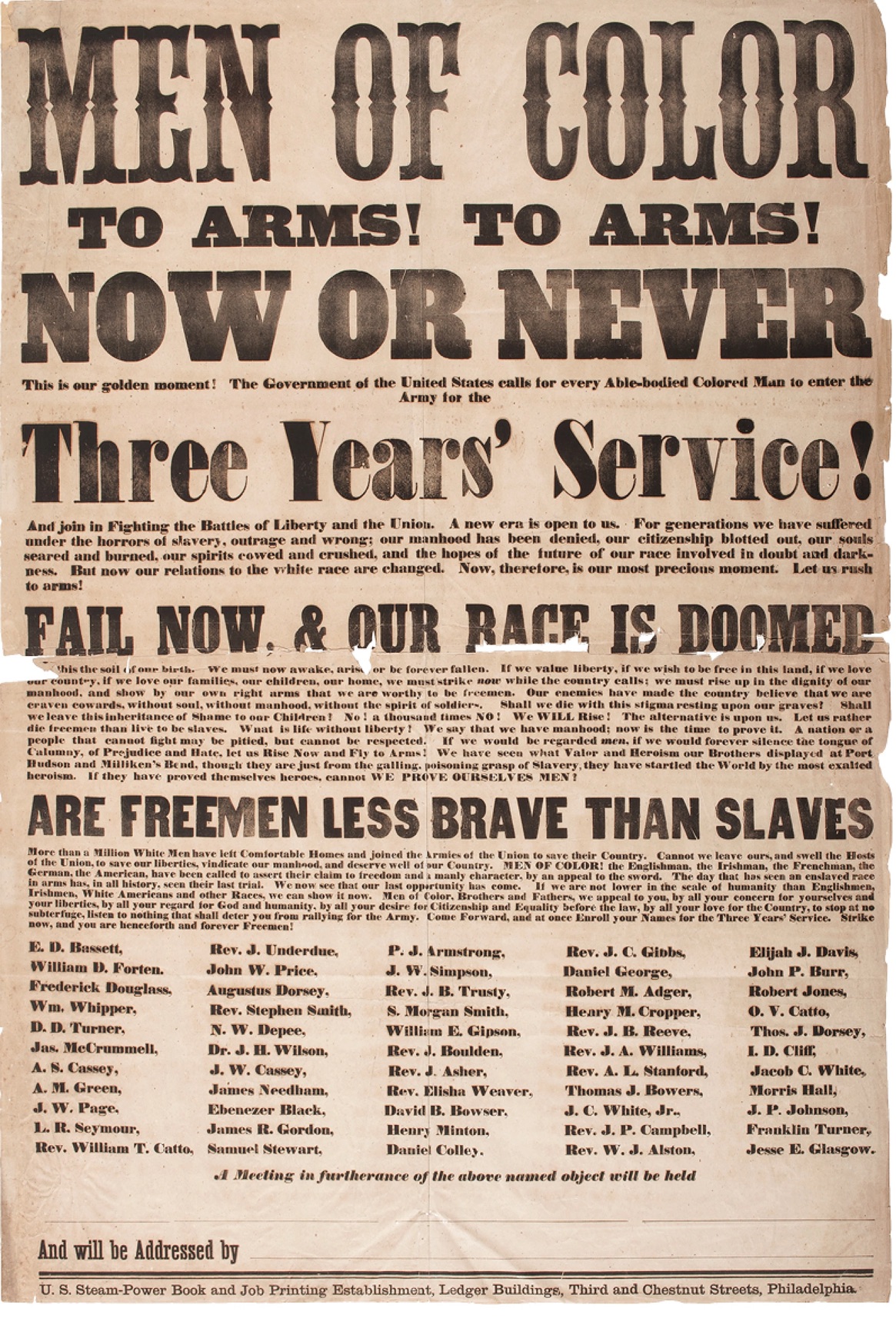
    During the Civil War, more than 179,000 Black American men served in the Union Army, amassing more than 10% of its total force many of whom were formerly enslaved men from the Confederate states.  One notable figure: William H. Carney. As a Sergeant with the 54th Massachusetts Infantry Regiment, carried the Union flag during the assault on Fort Wagner, South Carolina, in 1863. Severely wounded, he nonetheless kept the flag aloft, and eventually received the Medal of Honor in 1900. 

    Black American soldiers typically served in segregated units well into the 20th century. Despite that, they contributed in all the major U.S. wars.  For instance, Henry Johnson (of the 369th Infantry Regiment, the “Harlem Hellfighters”) fought in WWI in Europe, engaging in hand-to-hand combat with German troops and earning the French Croix de Guerre. His story is emblematic of courage despite the racial challenges faced back home. 


    Company E, 4th U.S. Colored Infantry, Fort Lincoln brave soldiers whose service in the U.S. Colored Troops helped secure victory and redefine freedom. (Library of Congress)

    The U.S. Army itself recognizes a number of “firsts” for Black Americans: Benjamin O. Davis Sr. became the first Black American general officer in the U.S. Army in 1940.  Another example: Col. Charles Young, who in the late 19th / early 20th century became the first Black colonel in the regular U.S. Army and commanded Black American troops. 

    Image credit: US Army

    The service of Black Americans in the U.S. Army helped lay a foundation for integration and progress within the military. Segregation ended in large part following Harry S. Truman’s 1948 executive order desegregating the armed forces. Recognizing this history helps us understand that the day of Veterans Day is not just about generic service, but about the sacrifices made by people who America was fighting yet fought for it.


    The 369th Infantry Regiment rose above relentless discrimination and neglect to earn the legendary name “The Harlem Hellfighters,” becoming one of the most decorated and fearless units of World War I. (Photo courtesy of the U.S. Army)

    Veterans Day isn’t only about remembering those who “went to war” it’s about acknowledging all veterans and their willingness to serve the nation in times of need.

    For Black Americans, service in the U.S. Army and other branches has been interwoven with the broader struggle for civil rights, equality, and recognition. Their military contributions reinforce the principle that defense of the country and the ideals of freedom and justice are shared responsibilities even when those ideals haven’t always been fully extended. Recognizing the role of Black service members enriches our understanding of American military history and helps ensure that commemoration is inclusive.

    Veterans Day, observed each year on November 11, honors the courage and sacrifice of all U.S. military veterans. But it’s also a time to recognize the extraordinary contributions of Black Americans, whose service has been both pivotal and often overlooked throughout history.

    From the earliest battles for freedom to modern warfare, Black soldiers have fought with resilience, integrity, and patriotism irregardless of facing discrimination and segregation.

    Alexander Kelly and André Cailloux proved their valor on the front lines, earning medals and changing perceptions of Black soldiers’ capability and courage. Their service paved the way for future generations.

    In the 20th century, leaders such as Brigadier General Benjamin O. Davis Sr., the first Black general in U.S. Army history, broke through racial barriers and inspired integration within the ranks. Soldiers like Sergeant William H. Thompson, who received the Medal of Honor for heroism in the Korean War, and veterans such as Wilbur Barnes and Charles Earnest Berry, who served through the transition from segregation to equality, carried that legacy forward.

    Their courage reflects a deeper truth that America’s defense has always been a shared effort. They served with strength, dignity, and faith proving that patriotism isn’t measured by recognition, but by sacrifice. Their legacy is the heartbeat of freedom, echoing through every generation that follows.

    BY: BEWITY Staff

  • Mary Sheffield Makes History as Detroit’s First Black American Woman Mayor

    Image credit: Associated Press

    In November 2025, Detroit voters made history: Mary Sheffield was elected mayor of Detroit, becoming the city’s first woman and the first Black woman to ever hold the office.  Her victory marks the culmination of a lifetime rooted in community, faith, activism, and the promise of a Detroit that works for all of its people.

    Sheffield’s story is deeply interwoven with the Black American experience in Detroit both its struggles and its strengths. She is a native Detroiter. 

    Her father, Horace Sheffield III, has been a minister and social justice advocate in the city for decades.  Her grandfather, Horace Sheffield Jr., helped found key Black‑led organizations in Detroit ­for example the Detroit Trade Union Labor Council and the Detroit Association of Black Organizations.  And her mother, Yvonne Lovett was a nurse who taught her about service to humanity. 

    In short: Sheffield didn’t arrive in public service by accident. She inherited a legacy of organizing, community uplift, and the expectation that one serves one’s hometown. As the Michigan Chronicle puts it, this is “the roots of her leadership trace back generations. For her family, service was the work expected of anyone who loved this city.” 

    At just 26, Sheffield became the youngest person ever elected to the Detroit City Council (District 5) in 2013.  In 2022, she became Council President, the youngest ever to hold that role in Detroit history.  Over her time in the council, she championed policies such as inclusionary housing, property tax reform, right to counsel, and neighborhood‑improvement programs. 

    Her campaign for mayor built on this record and leaned into her promise to bring “progress” to every block and every family in Detroit not just the downtown revival zones. She pledged a focus on neighborhoods, equity, and service. 

    Her victory is more than symbolic. It signals that Detroit is ready to entrust its future to someone whose roots are in its neighborhoods, whose family legacy is in service, and whose agenda is grounded in equity.

    Showing representation matters. Detroit’s Black communities have long been a bedrock of the city’s strength, culture, and resilience. Seeing a Black woman lead is a meaningful affirmation. Legacy and community are powerful. Sheffield’s family story shows how Black American civic life in Detroit has been sustained by generations of activism, ministry, organizing, and local leadership. It’s not just about individual ambition it’s about carrying forward a community’s work.

    Challenges ahead are real. Detroit still grapples with decades of disinvestment, population loss, infrastructure challenges, and economic inequality. The fact that Sheffield comes from the city’s neighborhoods gives her both credibility and responsibility. Leadership style matters. Her pledge to “meet Detroiters where they are” and to shift investment toward neighborhoods signals an approach that is attentive to ground‑level realities, not just big deals downtown.

    As mayor‑elect she will begin her term in January 2026.  Key areas to watch:

    How she balances downtown development with neighborhood investment. Her approach to affordable housing and equity in tax policy. Public safety and community trust, especially in neighborhoods long underserved. How her administration engages youth, Black women, and historically marginalized groups in the decision‑making process.

    Detroit has been a symbol of Black industrial achievement, artistic creativity (Motown, jazz, soul), labour movement strength, and also the pain of structural decline and segregation. Mary Sheffield’s election bridges those narratives, the proud legacy and the hard work still ahead.

    Her leadership reminds us that representation is not only about who sits in office ethically as well as ethnically being able to authentically resonate with it’s people about its voices, neighborhoods, histories & policy making that hang in the balance thereof.

    BY: BEWITTY Staff