Category: Community

  • As Black History Month Ends: We Don’t Owe You Strength

    As Black History Month Ends: We Don’t Owe You Strength

    Every February, a familiar narrative returns. We celebrate resilience. We uplift perseverance. We honor the strength of a people who turned suffering into survival and oppression into progress.

    And while there is truth in that story, there is also a quiet distortion. Somewhere along the way, strength stopped being a testament to what we endured and became an expectation of who we must be.


    Grieving protesters share an emotional embrace in West Baltimore following the 2015 death of Freddie Gray, 25, while in police custody. (Yunghi Kim / Contact Press Images)

    Black existence is constantly framed through endurance, through rising above, pushing through, and making beauty from pain. The world applauds the ability to survive what should have broken us, yet rarely questions why survival was necessary in the first place.

    Strength has been romanticized. Trauma is called inspiring. Survival is called powerful. Silence is called grace. But survival was never meant to be a personality.


    The demonstration took place in front of the Florida Theater on Monroe Street, with Sheriff William P. Joyce of Leon County pictured on the left.

    There is an unspoken pressure placed on Black lives to endure without collapsing, to forgive without closure, to succeed without rest. To turn wounds into wisdom quickly enough to make others comfortable.

    We are expected to be unshakeable in the face of injustice, to transform anger into eloquence, grief into growth. And when we don’t, when we are tired, undone, uncertain, or simply human it is treated as failure rather than truth.


    Protesters take to the streets of Ferguson, Missouri, following the 2014 shooting of 18-year-old Michael Brown. The unrest reflects deep pain and frustration over systemic injustice and the loss of a young life.

    But strength is not the only legacy we are allowed to claim. Softness is not weakness. Rest is not surrender. Joy without explanation is not indulgence.

    We do not exist to be lessons in resilience. We do not exist to be symbols of overcoming. We do not exist to inspire through our suffering.

    Our humanity is not conditional upon how much we can endure. As Black History Month closes, perhaps the most radical thing we can carry forward is this: We don’t owe the world our strength.


    Rev. Jesse Jackson, civil rights titan and enduring moral voice, now an ancestor. A relentless advocate for justice and equality, photographed at Tuskegee University. Held a global impact on human rights. Image credit: Tuskegee University

    In the end, beyond the history, beyond the expectations, beyond the myth of endless resilience, we are human. We are allowed to feel without performing strength, to rest without earning it, to exist without turning our pain into purpose. Our lives are not meant to be constant demonstrations of endurance. They are meant to include softness, uncertainty, laughter, and ease. We should be allowed the full range of humanity not just the parts that prove we can survive.

    Image credit: monkeybusinessimages/Getty Images

    We are allowed to simply be.

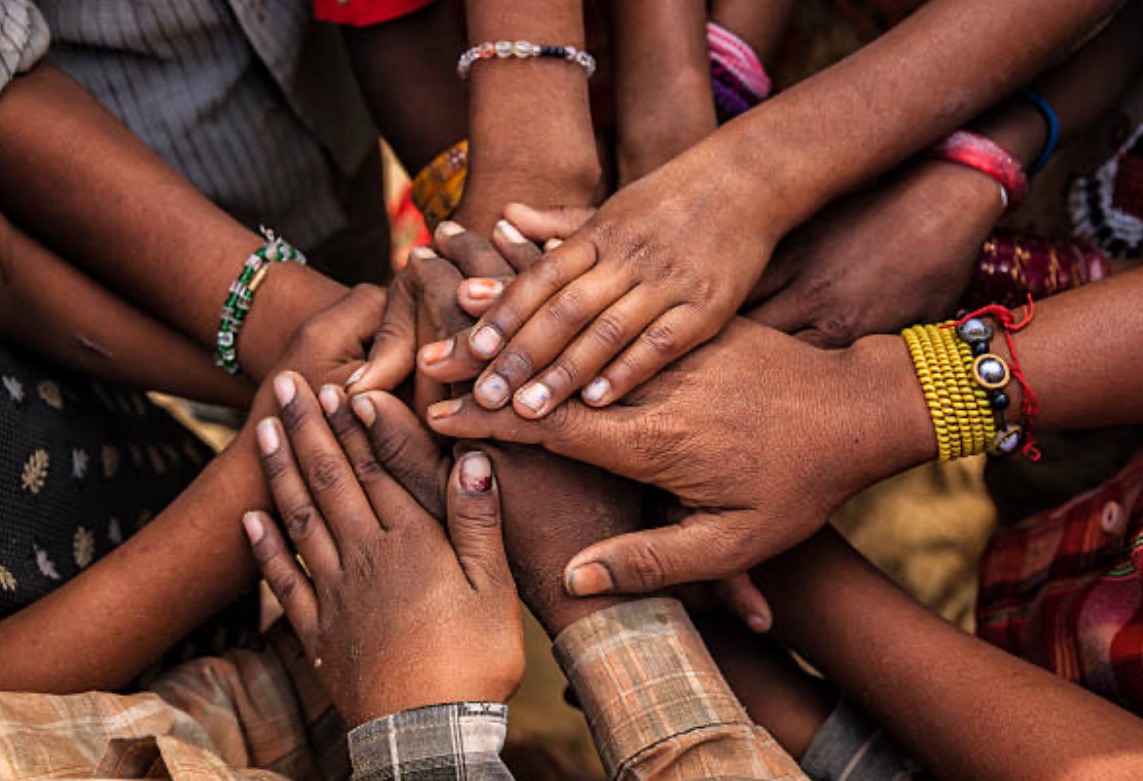
    If any obligation is carried forward, it isn’t owed to the world that stood by as we endured it is owed to one another. To those who came before us and those who will follow. What we owe is not strength for display, but presence in each other’s lives showing up with care, honesty, protection, and grace. We owe one another the freedom to be seen without performance, to be supported without condition, and to exist without having to justify our worth through struggle. Let what we carry forward be rooted in community not in surviving for the world’s approval, but in living fully together.

    BY: BEWITTY Staff

  • The Legacy of Martin Luther King Jr.: Courage Beyond Comfort

    The Legacy of Martin Luther King Jr.: Courage Beyond Comfort

    Civil Rights leader & Black American Icon Dr. Martin Luther King Jr.

    Each year on Martin Luther King Jr. Day, America repeats a familiar ritual. Quotes are shared, photos are reposted, and Dr. King is remembered as a gentle dreamer whose message was unity, peace, and hope. This version of Dr. King is comforting. It is also incomplete.

    If Martin Luther King Jr. were alive today, he would not be widely celebrated. He would be criticized, mischaracterized, and accused of being divisive. The language would be different, but the response would be the same. Where he was once called an agitator or a troublemaker, today he would be labeled “woke,” “radical,” or “anti-American.” His presence would not be welcomed; it would be policed.

    This is not speculation—it is history. During his lifetime, Dr. King was deeply unpopular with the majority of Americans. He was surveilled by the federal government, jailed repeatedly, and pressured to abandon his work. He was told to slow down, to wait, and to be more considerate of those made uncomfortable by his demands. His strongest opposition often came not from extremists alone, but from moderates who preferred order over justice.

    If Dr. King were organizing today, he would be condemned for the same reasons. He would be criticized for disrupting traffic, for interfering with the economy, and for refusing to make his demands more palatable. His outspoken critique of capitalism, militarism, and economic inequality would be dismissed as unrealistic or dangerous. The very tactics that made his movement effective would be used as evidence against him.

    Black Americans did not simply inherit Dr. King’s dream, we inherited the weight of carrying it forward in a society that still resists its fulfillment. We inherited the expectation to remain calm while harmed, to be articulate in moments of grief, and to extend grace in situations where justice is absent. We were taught that if we spoke correctly, dressed appropriately, and protested peacefully enough, progress would follow.

    But respectability has never been a shield. Dr. King was educated, eloquent, and intentional. He wore suits. He spoke with moral clarity and spiritual conviction. Yet none of that protected him from being labeled a threat. None of it spared him from surveillance or violence. His life stands as evidence that respectability does not guarantee safety, and dignity does not ensure acceptance.

    Respectability politics suggest that Black humanity is conditional that our worth depends on how comfortable we make others feel. Dr. King’s experience reveals the flaw in that logic. You can be respectful and still be rejected. You can be peaceful and still be punished. You can be right and still be resisted.

    Dr. King was not killed because he was polite. He was killed because he was effective. His message challenged the economic and social foundations of the nation, and that challenge was never meant to be embraced without resistance.

    Today, Dr. King is celebrated largely because he no longer disrupts. His words are quoted, but his critique is ignored. His dream is honored, but his demands are softened. The systems he called unjust remain largely intact, while his legacy is used to silence those who continue the work.

    On Martin Luther King Jr. Day, it is not enough to remember what he hoped for. We must also confront what he warned us about. Dr. King did not ask America to like Black people. He asked America to change.

    If that truth remains uncomfortable, it may be because we are finally listening closely enough.

    Honoring Dr. Martin Luther King Jr. means engaging his truth, not just repeating his words. His legacy calls us to confront why the injustices he challenged still endure and why those who speak with similar urgency today are often dismissed.

    Dr. Martin Luther King Jr. gave this country a moral blueprint rooted in courage, love, and an unshakable demand for justice. His legacy lives not only in his words, but in the generations who continue to walk forward with the same conviction, carrying his vision with strength, dignity, and hope.

    BY: BEWITTY Staff

  • The Consequences of Declining Birth Rates in the Black Community

    The Consequences of Declining Birth Rates in the Black Community

    Image credit: Reddit

    Across the United States, birth rates have been falling for decades, and the Black community is no exception. Data from national health and demographic agencies show that Black birth rates have declined steadily since the early 2010s, contributing to slower population growth and, in some regions, population stagnation. While much public discussion focuses on why fewer children are being born, far less attention is paid to a critical question: what does this decline mean, and why does understanding its impact matter?

    Image credit: iStock photos

    Birth rates are not simply private family decisions reflected in statistics. They shape the future structure of communities, economies, and political power. Understanding the consequences of sustained low birth rates is essential for anticipating long-term challenges and creating informed, equitable solutions.

    Image credit: CDC highlighting the sharp contrast in declining Black birth rates in 2024 compared to other groups as well as the disparity of continually rising
    c- section deliveries amongst Black women.

    Population size has direct implications for political representation, public funding, and institutional visibility. Census counts influence how federal and state resources are allocated for schools, healthcare, housing, and infrastructure. Over time, lower birth rates can slow population growth within Black communities, reducing their proportional share of these resources.

    Image credit: IStock photos

    Demographics also affect political influence. Representation at local, state, and national levels is tied to population counts. Sustained declines in births, if not offset by migration or other factors, can quietly weaken a community’s collective voice in decision-making spaces that already reflect long-standing inequities.

    Understanding this connection is not about alarmism; it is about recognizing how demographic trends translate into real-world consequences.

    Birth rates today help determine the size of tomorrow’s workforce. Fewer children now means fewer working-age adults in the future — a reality with economic implications for any community.

    For Black Americans, where systemic barriers have long constrained wealth accumulation, these shifts can affect:

    Labor force participation and local economic growth The sustainability of small, community-based businesses Intergenerational wealth-building and family support systems

    As populations age, fewer workers are available to support social programs, care for elders, and sustain local economies. In communities where extended family networks have historically provided economic resilience, smaller family sizes can alter the balance of support that spans generations.

    Children are central to the transmission of culture, history, and collective memory. They carry traditions, values, and community knowledge forward. Declining birth rates raise important questions about cultural continuity, particularly in communities that have faced historical displacement and systemic erasure.

    Fewer opportunities for intergenerational mentorship Shrinking participation in cultural and faith-based institutions Weakened pathways for passing down language, traditions, and communal identity

    Understanding the cultural implications of demographic change is essential for preserving heritage and ensuring continuity in rapidly changing social environments.

    Smaller family sizes also reshape caregiving responsibilities. In many Black families, care for children, elders, and extended relatives has traditionally been shared across large kin networks. As birth rates decline, caregiving burdens may fall on fewer individuals.

    Increased financial and emotional strain on adult children Fewer family caregivers for aging parents and grandparents Greater reliance on external systems that may lack cultural competency

    These shifts have implications not only for families, but for healthcare systems, social services, and community organizations.

    Declining birth rates can also reflect broader concerns about health, safety, and stability. Black women continue to face disproportionately high rates of maternal mortality and morbidity, along with disparities in prenatal care access and birth outcomes. These realities influence reproductive decision-making and signal deeper structural challenges.

    From a public health perspective, low birth rates can act as an indicator of:

    Unequal access to quality healthcare Economic insecurity and chronic stress Lack of institutional support for parents and families

    Understanding this context reframes the issue away from personal choice alone and toward systemic conditions that shape those choices.

    Recognizing the impact of declining birth rates is not about pressuring individuals to have children. It is about ensuring that people who want families are supported by policies, healthcare systems, and economic structures that make parenthood viable and safe.

    More effective family-centered public policy Investments in maternal health, childcare, and housing Long-term planning for workforce and community sustainability Informed conversations about legacy, equity, and opportunity

    Ignoring demographic trends does not prevent their consequences; it only delays meaningful response.

    Declining birth rates in the Black community represent more than a numerical trend. They affect population strength, economic resilience, cultural continuity, and intergenerational care. Understanding these impacts is essential for addressing long-term challenges with clarity rather than reaction.

    Demographics shape the future quietly but powerfully. Examining what these shifts mean and why they matter is a necessary step toward building communities that are not only surviving, but sustained for generations to come.

    BY: BEWITTY Staff

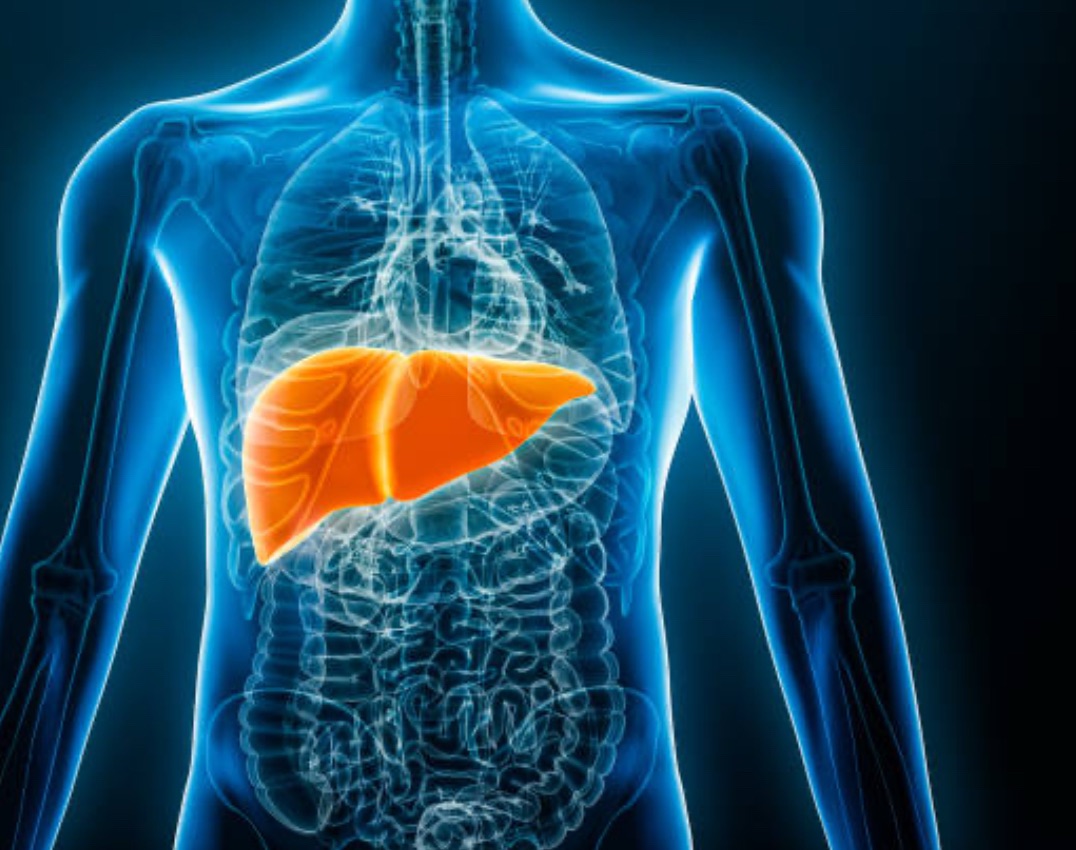
  • Black Men & Alcohol: Protect Your Liver & Energy with These Supplements 🖤

    Black Men & Alcohol: Protect Your Liver & Energy with These Supplements 🖤

    Image credit: iStock photos

    Alcoholism is a chronic condition that significantly affects physical, mental, and social health. Long-term alcohol use can lead to liver disease, neurological damage, cardiovascular issues, and nutrient deficiencies. These effects are often more pronounced in populations with higher rates of comorbidities and limited access to healthcare, such as Black men, who face systemic barriers, healthcare disparities, and social stressors that may exacerbate the consequences of alcohol use. Complementary approaches like milk thistle and vitamin B12 supplementation may offer supportive benefits in recovery, particularly in reducing some of the physiological damage associated with chronic alcohol consumption.

    Image credit: Prostockstudio.com

    Milk thistle (Silybum marianum) is a medicinal herb with silymarin, a compound known for its antioxidant, anti-inflammatory, and liver-protective effects. Chronic alcohol use can lead to fatty liver, alcoholic hepatitis, fibrosis, or cirrhosis, with progression to end-stage liver disease in severe cases. In Black men, studies suggest higher rates of alcohol-related liver complications due to a combination of genetic, socioeconomic, and environmental factors. Silymarin may help protect liver cells from oxidative stress, promote regeneration, and improve liver enzyme levels (ALT and AST), although clinical evidence is mixed. While it cannot reverse advanced liver damage, milk thistle can be a valuable adjunct to medical care, helping preserve remaining liver function and slow disease progression. It is routinely medically used in end stage alcoholism.

    Vitamin B12 (cobalamin) is essential for red blood cell formation, neurological health, and DNA synthesis. Alcoholism frequently leads to B12 deficiency through malnutrition, impaired absorption, and gastrointestinal damage, which may be more severe in Black men due to higher rates of metabolic and gastrointestinal comorbidities. Deficiency can contribute to peripheral neuropathy, cognitive decline, anemia, fatigue, and mood disturbances. Supplementation can restore B12 levels, improve neurological function, support red blood cell production, and enhance overall energy and quality of life. In advanced alcohol-related health issues, injections may be more effective than oral supplementation due to absorption challenges.

    The combination of milk thistle and vitamin B12 provides complementary benefits. Milk thistle primarily supports liver health and reduces oxidative damage, while B12 addresses deficiencies that affect the nervous system and energy levels. For Black men, this combination may be particularly valuable because it targets two systems highly vulnerable to alcohol-related complications: the liver and nervous system. In end-stage alcoholism, while these supplements cannot reverse liver failure or severe neurological damage, they can improve metabolic stability, reduce symptom severity, and support ongoing medical treatment.

    It is important to note that milk thistle and B12 are supportive, not curative. Optimal benefits occur when combined with abstinence from alcohol, a nutrient-rich diet, medical supervision, and behavioral interventions. Black men may face additional barriers, including underdiagnosis of liver disease, limited access to specialty care, and systemic stressors that influence alcohol use patterns. Targeted supplementation with milk thistle and B12 can be a practical strategy to mitigate some physical consequences while comprehensive care addresses behavioral and social factors.

    In conclusion, milk thistle and vitamin B12 are valuable adjuncts in managing alcoholism, particularly in Black men who experience higher vulnerability to alcohol-related liver and neurological complications. Milk thistle helps protect and support liver function, while B12 restores essential nutrients for nerve and blood health. When combined with medical care, lifestyle interventions, and abstinence, these supplements can enhance recovery, improve quality of life, and reduce some long-term physiological consequences of alcoholism. Both vitamins are available over the counter without a prescription.

    BY: BEWITTY Staff

  • A Viral Video and a National Crisis: The Harsh Reality of Black Maternal Care

    A Viral Video and a National Crisis: The Harsh Reality of Black Maternal Care

    Image credit:womensfundingnetwork.org

    A recent video showing a Black woman in active labor being ignored by staff at a Texas hospital has intensified national scrutiny of how Black women are treated during childbirth in the United States. In the footage, captured in a Dallas-area facility, the woman is visibly in pain, repeatedly asking for help while a staff member continues standard intake questions with little sense of urgency or empathy.

    According to the family, she remained in the waiting area for more than 30 minutes before receiving care, despite showing clear signs of active labor. She reportedly gave birth just minutes after the recording ended. The professional organization Association of Women’s Health, Obstetric and Neonatal Nurses publicly condemned the situation, calling it disrespectful, discriminatory, and unsafe. Their statement underscored concerns that what occurred in the waiting room was not an isolated error, but part of a systemic pattern of racial bias that has long plagued maternal care in the United States.

    Medical research and advocates point to one persistent and harmful stereotype that may have influenced the staff’s response: the belief that Black people have a higher tolerance for pain. Despite its origin in racist pseudoscience dating back to slavery, this myth continues to shape medical decision-making. Studies have documented that Black patients are less likely to receive adequate pain medication, more likely to have their symptoms dismissed, and more frequently experience delayed treatment compared to White patients. For Black women in labor, these assumptions can convert already vulnerable circumstances into dangerous, sometimes fatal outcomes. When a laboring woman’s pain is minimized, the warning signs of obstetric emergencies can be overlooked, leading to complications such as hemorrhage or hypertension that require immediate intervention.


    Historical records indicate that Anarcha Westcott featured above underwent approximately 30 surgical operations performed by J. Marion Sims over several years all without anesthesia, despite its availability at the time. These repeated procedures highlight both the historical inhumane brutality of medical negligence regarding Black women.

    The broader context is grim. Black women in the United States are more than three times as likely to die from pregnancy-related causes as White women, and this disparity persists even when researchers account for socioeconomic status, education, and insurance coverage. This suggests that maternal health disparities are not solely the product of income gaps or inconsistent access, but reflect deeper structural inequities within the healthcare system. Many deaths are considered preventable, and experts say a significant number result from delayed responses, mismanagement, and failures to take concerns seriously in clinical settings. Black women also face increased risk of complications due in part to chronic stress associated with racism and inequality, which can affect pregnancy outcomes long before delivery begins.

    Image credit: Amerihealth.com

    Advocates argue that meaningful solutions require attention to both clinical practice and systemic reform. They emphasize the need for improved training to address implicit bias, better access to high-quality prenatal and postpartum care, and greater accountability when hospitals fail to provide equitable treatment. Some point to community-based approaches, including the use of doulas and midwives, as effective strategies for ensuring that Black mothers are heard, supported, and treated with respect. Others call for hospitals to track and report maternal outcomes by race, allowing the public to see where disparities persist and demanding transparency from institutions.

    The video that drew widespread outrage is only one visual representation of a crisis that has been unfolding largely out of public view. Behind statistics are women whose experiences during childbirth have left them traumatized, families grieving preventable deaths, and infants facing long-term health challenges linked to inadequate care. For many advocates, this incident is not simply a story about negligence, but a reminder of how racial bias can be embedded in routine processes, and how quickly routine can become deadly when urgency is not applied equally. As public attention continues to grow, so does pressure on healthcare systems and policymakers to confront the realities of Black maternal health in America. The expectation, advocates say, should be basic: that every woman, regardless of race, receives compassionate, timely, and competent care at a moment when her life and her child’s life depend on it.

    BY: BEWITTY Staff

  • Elite Colleges, Declining Diversity: Black Students Bear the Brunt

    Photo Credit: Suzanne Kreiter / getty images

    In the two years since the Supreme Court’s decision in Students for Fair Admissions v. Harvard ended race-conscious admissions, Black student enrollment at many elite U.S. colleges has fallen sharply. According to an Associated Press analysis, on some campuses Black freshmen now make up as little as 2% of the incoming class. At Harvard, Black freshmen dropped from around 18% in 2023 to roughly 11.5% in 2025, while Princeton saw declines from 9% to 5% levels not seen since the late 1960s. These numbers reflect more than a legal shift; they represent a rollback of decades of progress in Black access to higher education.

    For Black Americans, access to elite colleges is about far more than prestige. It’s a gateway to networks, social capital, high-paying careers, and generational mobility. When Black enrollment drops, it isn’t just statistics that fall, it’s opportunity, representation, and community. Fewer peers and mentors who share your background increase isolation, limit culturally relevant support systems, and send the message that these spaces are not fully meant for all. The erosion of representation threatens both the immediate college experience and the longer term pipeline into positions of influence.

    The decline in Black enrollment is exacerbated by legacy admissions and high international student enrollment. Legacy and donor-preference admissions overwhelmingly favor wealthy, predominantly white applicants. The practice effectively reduces available spots for underrepresented Black students. In some elite colleges, legacy applicants outnumber Black enrollees, and legacy status carries the equivalent of tens of thousands of dollars in extra admission “capital.” From a minority perspective, this is deeply inequitable it privileges inherited wealth and access over merit and the corrective intent of diversity initiatives.

    Meanwhile, the influx of international students including Black students from Africa and the Caribbean has unintentionally disenfranchised U.S.-born Black students. While expanding global representation is not without merit, limited seats and competition often malign domestic Black students from enrolling. For communities already navigating systemic educational inequities, this creates an additional barrier.

    In response to the Supreme Court ruling, many colleges are implementing “race-neutral” alternatives: increased consideration of socioeconomic disadvantage, first-generation college status, and outreach to under resourced schools. While these steps help, research and historical precedent suggest they cannot fully replicate the representation gains achieved through affirmative action. California’s experience after banning race conscious admissions at public universities shows that even strong class based policies do not prevent declines in Black and Hispanic enrollment. Without intentional and well resourced & federally protected policies, elite institutions risk deepening disparities rather than closing them.

    The decline in Black enrollment is not just a numbers issue it reflects a structural squeeze that undermines representation, belonging, and generational opportunity. For Black Americans, this is a critical crossroads. Without intentional interventions, elite institutions risk becoming increasingly homogeneous, and the promise of higher education as a ladder to power, wealth, and influence will remain unleavened for America’s indigenous population.

    But this moment also offers an opportunity. Colleges can actively confront legacy preferences, prioritize domestic underrepresented students, and invest deeply in equity-focused catalyst. Black students deserve not just access, but belonging, support, and the chance to thrive in spaces that shape the nation’s future they freely helped found.

    BY: BEWITTY Staff

  • Stronger Together: The Power of Collaboration in Black Media

    Image credit: Shawn Fields/Unsplash

    Representation is not just about visibility it’s about truth, trust, and the stories we tell about ourselves and each other. In media and publishing, Black representation has always been critical to shaping narratives that are authentic, accurate, and inclusive. From the Black press of the 19th and 20th centuries to today’s journalists, editors, authors, and content creators, the presence of Black voices ensures that the news table reflects the full diversity of American life.

    When Black professionals are included in decision-making spaces—whether in newsrooms, publishing houses, or media companies stories shift. Issues that might otherwise be overlooked gain attention. Perspectives that may challenge the status quo are given space. Cultural nuances are better understood and respected. Representation is not just a matter of fairness; it directly impacts the integrity and quality of the information that reaches the public.


    In February 1944, Harry McAlpin made history as the first Black journalist admitted to a White House press briefing.

    But representation cannot exist in a silo. The future of media requires collaboration across communities. Every culture, every background brings its own history, values, and insights to the table. Together, these perspectives create a more complete picture of the world authentically.

    This is why unity in media and publishing matters. The Black community cannot shoulder the responsibility of representation alone, just as no one community can. Building platforms where all voices are welcomed and respected strengthens democracy, deepens understanding, and breaks down stereotypes.

    At its best, media is a mirror of society reflecting not just those with the loudest megaphones, but the full spectrum of human experience. Ensuring that Black stories are told, that Black professionals have opportunities to lead, and that diverse communities work together is not just important for representation it’s essential for truth.

    Because the news table is bigger than any one voice, and when we all sit at it, the story of America is told more honestly, more fully, and more powerfully.

    For Black media outlets, supporting one another is not simply about survival in a competitive industry it’s about preserving and amplifying the voices that have historically told the stories others ignored. Collaboration strengthens, expands reach, and ensures that the narratives shaping Black communities are owned and guided by those who live them. In a rapidly shifting media landscape, unity among Black media organizations isn’t just beneficial; it’s essential.

    BY: BEWITY Staff

  • Hands Up, Don’t Shoot: The Final Chapter of Ferguson Witness, Dorian Johnson

    Dorian Johnson, the man who stood beside Michael Brown during the fateful police encounter that ignited national protests in 2014, was fatally shot in Ferguson, Missouri, nearly 11 years after Brown’s death.


    Dorian Johnson near the Canfield Green Apartments in Ferguson, Missouri, in July 2019. (Ray Whitehouse/The Washington Post/Getty Images)

    Johnson, 33, died on the morning of September 7, 2025, after being shot around 8:30 a.m. on the 9600 block of Abaco Court just blocks from the street where Brown was killed in 2014. Police confirmed that Johnson was not shot by law enforcement, quickly addressing public concern given the history surrounding the Ferguson protests.


    A makeshift memorial near the scene of Michael Brown’s shooting in Ferguson, Missouri, photographed in October 2014. (Scott Olson/Getty Images)

    A female suspect was initially taken into custody but was released within 24 hours after claiming self defense. As of now, no charges have been filed, and the investigation remains ongoing.

    Johnson was propelled into the national spotlight on August 9, 2014, when he witnessed the shooting of 18-year-old Michael Brown by Ferguson police officer Darren Wilson. Johnson said Brown had his hands raised in surrender when he was shot, a statement that helped ignite the rallying cry “Hands up, don’t shoot” a phrase that became central to the Black Lives Matter movement and to nationwide calls for police accountability and racial justice.

    Image credit: Shannon Stapleton-Reuters

    His firsthand account, shared widely in the media and through protests, helped shape the public narrative of the Ferguson unrest. The DOJ would conclude that there was no reliable evidence that Brown had his hands up or said “don’t shoot” at the time he was killed. Still, the image that Johnson described resonated deeply, regardless of official findings, and became a symbol of broader struggles between law enforcement and Black communities across the United States.

    Despite fading from the national spotlight in recent years, Johnson remained a figure deeply tied to a turning point in America’s civil rights history. His death adds to a tragic pattern involving individuals connected to the Ferguson protests.

    Several activists and witnesses involved in the aftermath of Brown’s death have died under violent or suspicious circumstances, leading to ongoing concern and speculation from members of the community and activists nationwide. Johnson’s killing has renewed those concerns and reopened old wounds in a city still grappling with its past and searching for healing.

    Dorian Johnson’s life and death serve as reminders of how deeply the events of 2014 impacted not just policy discussions and public awareness, but also the lives of those directly involved. His description of Brown’s final moments became an inflection point for a movement that sought justice, reform, and a reimagining of the relationship between communities of color and law enforcement.

    Now, with his life ended by gunfire, Johnson stands as another tragic figure in a still unfolding story shaped by PTSD, and the ongoing toll of perceived injustice.

    BY: BEWITTY Staff

  • Wellness Is Our Birthright: What a Mediterranean Diet Study Means for Black Health & Diabetes

    Wellness Is Our Birthright: What a Mediterranean Diet Study Means for Black Health & Diabetes

    For generations, our health has been shaped not just by genetics, but by access or the lack thereof. When it comes to diseases like type 2 diabetes, Black communities in the U.S. are disproportionately affected.

    Image credit: iStock photos

    According to the CDC, Black Americans are nearly twice as likely as white Americans to be diagnosed with type 2 diabetes, and more likely to suffer complications. The reasons are layered: systemic inequities in health care, food deserts, chronic stress, and cultural norms all play a role.

    Image credit: heart.org

    But a new study offers a powerful reminder: our choices still matter and can even change the odds.

    Published in Diabetes Care, the study shows that following a Mediterranean-style diet and engaging in consistent physical activity can cut the risk of developing type 2 diabetes by up to 40% even in high-risk individuals. And here’s the key: you don’t need perfection to see benefits. You just need consistency.

    Foods like okra, black-eyed peas, leafy greens, sweet potatoes, millet, and a rich array of herbs have long been staples in Black American & African culinary traditions. The key difference, isn’t just in what we eat, but how we prepare it and the level of access we have to fresh foods that are nutrient dense.

    What this study reminds us is that we don’t need to give up culture to reclaim health. We can adapt and reclaim traditions that nourish rather than harm. We can season boldly without relying on salt, embrace fresh produce, and see movement not as punishment, but as a return to motion walking, dancing, simply moving with joy.

    Image credit: Cleveland Clinic

    The study also reemphasized that 150 minutes of moderate exercise per week about 30 minutes, five days a week was enough to make a real difference. That’s a neighborhood walk. A dance class. A bike ride. It doesn’t require a gym membership or fancy gear. Just the decision to move more often.

    This isn’t just about personal health it’s about collective healing. Black communities face higher rates of diabetes-related complications, including amputations, vision loss, and kidney disease. That’s not because we’re inherently more prone to illness, but because of systemic neglect alongside misinformation.

    Reclaim your plate: Add more greens, beans, and whole grains to your meals. Grill or bake instead of fry. Use herbs and spices to elevate flavor without excess salt or sugar. Move how you love: If you don’t like running, don’t. Turn on some music and dance. Walk with a friend. Healing is communal. Share recipes, start a walking group, or cook with family.

    This study isn’t just another headline. It’s a call to action, and a reminder that prevention is not out of reach especially when we build it on a foundation of culture, community, and care.

    BY: BEWITTY Staff

  • The Misuse of Crime Statistics: Unpacking the “50% of Crime” Myth About Black Americans

    iStockphoto/Getty Images

    Every so often, someone will drop this fiction, regurgitated statistic: “Black people commit 50% of all crime in the United States.” It’s thrown around like fact, often without context, nuance, or rebuke.

    This narrative is not just misleading it’s dangerous.

    Behind the myth lies a distorted reading of FBI arrest statistics, and behind that, a long history of racial bias in American law enforcement and media representation.


    Cartoon by Darrin Bell: “How America Sees Those Who Misbehave”-Philadelphia Sun

    This claim usually comes from a selective reading of FBI arrest data, particularly around violent crime.

    But notice the word: arrests, not convictions, or charges that held up in court, and definitely not “all crime.” Arrest statistics reflect who gets stopped, surveilled, and taken in by police. And in this country, policing has never been demographically balanced.

    Black neighborhoods are often over-policed, while white and wealthier communities are under-policed or policed with more leniency. That results in more stops, searches & arrests even for lateral or same behavior.

    Tony Dejak / AP

    If you saturate a certain neighborhood with patrol cars, it’s likely you’ll have more arrests. But arrest aren’t always indicative of crimes but does mean more people are being surveil-lanced, criminalized, and systematically processed.

    Raymond Flanks talks to reporters outside the New Orleans criminal courthouse on Nov. 17, 2022. Image credit: Kevin McGill/AP

    If you want to understand crime you have to talk about redlining. Quality of school education. (Being funded by property taxes in already disadvantaged neighborhoods.) Which perpetuates leaving children behind & feeds the preschool to prison pipeline.

    Image credit: Jamestheo

    This myth isn’t just wrong it’s dangerous. It’s used to justify over-policing, over sentencing & mass incarceration of Black people.

    When according to the 2019-2021 FBI crime data report white individuals committed 69% of all crimes. But more specifically were responsible for 59% of violent crimes. Held 66% of all rape arrest & 72% on drug abuse crimes. In addition to being 82% on DUI’s and 67% on all fraud or embezzlement.

    The most common origin of the “50%” claim comes from FBI arrest data that shows Black Americans—who comprise about 13–14% of the U.S. population at one instance or year made up a disproportionately high share of arrests for certain violent crimes. In the year of 2015 Black individuals accounted for 51.1% of homicide arrests. This was one specific year & metric & is not indicative of all crime in the US history past or present.

    It is also known that race demographics are not always recorded in homicides so if that information was omitted from the arrest it generally makes the FBI analysis only true to the portion of arrest that were tracked.

    Reducing the complexities of crime to racial percentages distorts public understanding and reinforces stereotypes rather than encouraging solutions. To truly address violence in American communities, the conversation must shift from isolated statistics to the social and structural conditions that fuel them.

    Until then, numbers alone divorced from nuance will continue to serve more as political ammunition than as a path toward justice.

    BY: BEWITTY Staff