Category: Health

  • The Consequences of Declining Birth Rates in the Black Community

    The Consequences of Declining Birth Rates in the Black Community

    Image credit: Reddit

    Across the United States, birth rates have been falling for decades, and the Black community is no exception. Data from national health and demographic agencies show that Black birth rates have declined steadily since the early 2010s, contributing to slower population growth and, in some regions, population stagnation. While much public discussion focuses on why fewer children are being born, far less attention is paid to a critical question: what does this decline mean, and why does understanding its impact matter?

    Image credit: iStock photos

    Birth rates are not simply private family decisions reflected in statistics. They shape the future structure of communities, economies, and political power. Understanding the consequences of sustained low birth rates is essential for anticipating long-term challenges and creating informed, equitable solutions.

    Image credit: CDC highlighting the sharp contrast in declining Black birth rates in 2024 compared to other groups as well as the disparity of continually rising
    c- section deliveries amongst Black women.

    Population size has direct implications for political representation, public funding, and institutional visibility. Census counts influence how federal and state resources are allocated for schools, healthcare, housing, and infrastructure. Over time, lower birth rates can slow population growth within Black communities, reducing their proportional share of these resources.

    Image credit: IStock photos

    Demographics also affect political influence. Representation at local, state, and national levels is tied to population counts. Sustained declines in births, if not offset by migration or other factors, can quietly weaken a community’s collective voice in decision-making spaces that already reflect long-standing inequities.

    Understanding this connection is not about alarmism; it is about recognizing how demographic trends translate into real-world consequences.

    Birth rates today help determine the size of tomorrow’s workforce. Fewer children now means fewer working-age adults in the future — a reality with economic implications for any community.

    For Black Americans, where systemic barriers have long constrained wealth accumulation, these shifts can affect:

    Labor force participation and local economic growth The sustainability of small, community-based businesses Intergenerational wealth-building and family support systems

    As populations age, fewer workers are available to support social programs, care for elders, and sustain local economies. In communities where extended family networks have historically provided economic resilience, smaller family sizes can alter the balance of support that spans generations.

    Children are central to the transmission of culture, history, and collective memory. They carry traditions, values, and community knowledge forward. Declining birth rates raise important questions about cultural continuity, particularly in communities that have faced historical displacement and systemic erasure.

    Fewer opportunities for intergenerational mentorship Shrinking participation in cultural and faith-based institutions Weakened pathways for passing down language, traditions, and communal identity

    Understanding the cultural implications of demographic change is essential for preserving heritage and ensuring continuity in rapidly changing social environments.

    Smaller family sizes also reshape caregiving responsibilities. In many Black families, care for children, elders, and extended relatives has traditionally been shared across large kin networks. As birth rates decline, caregiving burdens may fall on fewer individuals.

    Increased financial and emotional strain on adult children Fewer family caregivers for aging parents and grandparents Greater reliance on external systems that may lack cultural competency

    These shifts have implications not only for families, but for healthcare systems, social services, and community organizations.

    Declining birth rates can also reflect broader concerns about health, safety, and stability. Black women continue to face disproportionately high rates of maternal mortality and morbidity, along with disparities in prenatal care access and birth outcomes. These realities influence reproductive decision-making and signal deeper structural challenges.

    From a public health perspective, low birth rates can act as an indicator of:

    Unequal access to quality healthcare Economic insecurity and chronic stress Lack of institutional support for parents and families

    Understanding this context reframes the issue away from personal choice alone and toward systemic conditions that shape those choices.

    Recognizing the impact of declining birth rates is not about pressuring individuals to have children. It is about ensuring that people who want families are supported by policies, healthcare systems, and economic structures that make parenthood viable and safe.

    More effective family-centered public policy Investments in maternal health, childcare, and housing Long-term planning for workforce and community sustainability Informed conversations about legacy, equity, and opportunity

    Ignoring demographic trends does not prevent their consequences; it only delays meaningful response.

    Declining birth rates in the Black community represent more than a numerical trend. They affect population strength, economic resilience, cultural continuity, and intergenerational care. Understanding these impacts is essential for addressing long-term challenges with clarity rather than reaction.

    Demographics shape the future quietly but powerfully. Examining what these shifts mean and why they matter is a necessary step toward building communities that are not only surviving, but sustained for generations to come.

    BY: BEWITTY Staff
  • Black Men & Alcohol: Protect Your Liver & Energy with These Supplements 🖤

    Black Men & Alcohol: Protect Your Liver & Energy with These Supplements 🖤

    Image credit: iStock photos

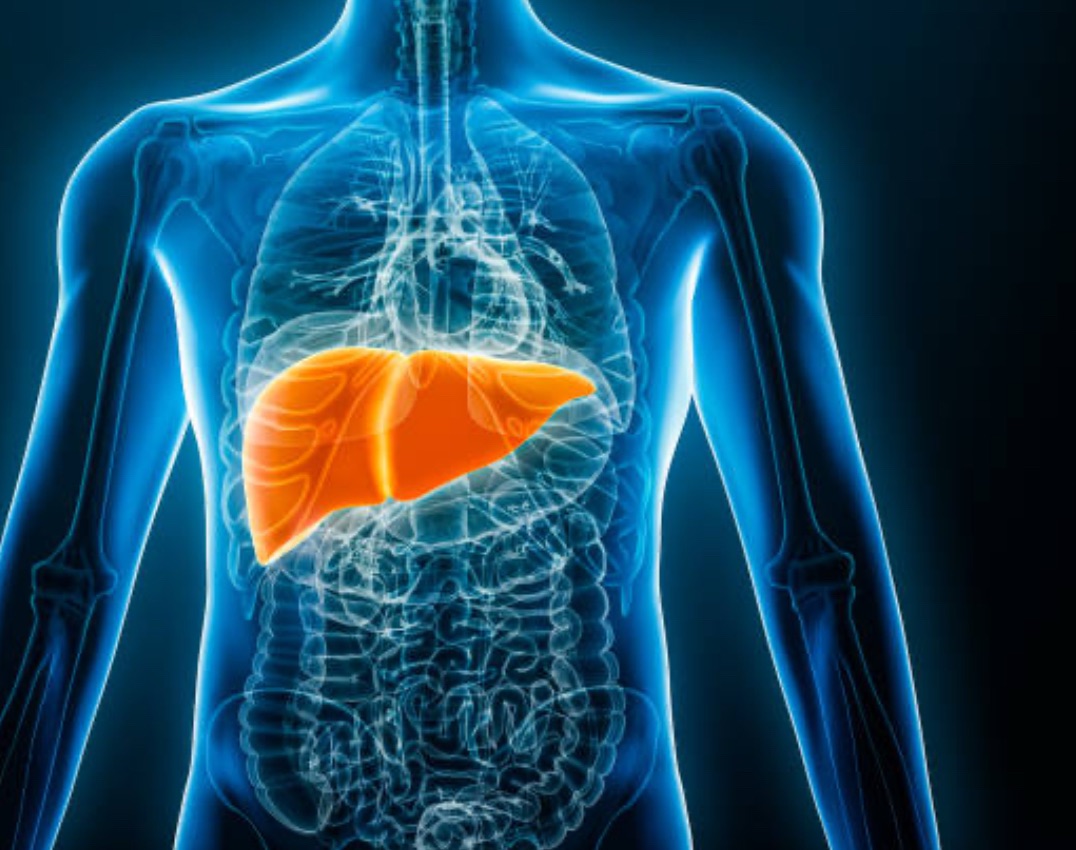
    Alcoholism is a chronic condition that significantly affects physical, mental, and social health. Long-term alcohol use can lead to liver disease, neurological damage, cardiovascular issues, and nutrient deficiencies. These effects are often more pronounced in populations with higher rates of comorbidities and limited access to healthcare, such as Black men, who face systemic barriers, healthcare disparities, and social stressors that may exacerbate the consequences of alcohol use. Complementary approaches like milk thistle and vitamin B12 supplementation may offer supportive benefits in recovery, particularly in reducing some of the physiological damage associated with chronic alcohol consumption.

    Image credit: Prostockstudio.com

    Milk thistle (Silybum marianum) is a medicinal herb with silymarin, a compound known for its antioxidant, anti-inflammatory, and liver-protective effects. Chronic alcohol use can lead to fatty liver, alcoholic hepatitis, fibrosis, or cirrhosis, with progression to end-stage liver disease in severe cases. In Black men, studies suggest higher rates of alcohol-related liver complications due to a combination of genetic, socioeconomic, and environmental factors. Silymarin may help protect liver cells from oxidative stress, promote regeneration, and improve liver enzyme levels (ALT and AST), although clinical evidence is mixed. While it cannot reverse advanced liver damage, milk thistle can be a valuable adjunct to medical care, helping preserve remaining liver function and slow disease progression. It is routinely medically used in end stage alcoholism.

    Vitamin B12 (cobalamin) is essential for red blood cell formation, neurological health, and DNA synthesis. Alcoholism frequently leads to B12 deficiency through malnutrition, impaired absorption, and gastrointestinal damage, which may be more severe in Black men due to higher rates of metabolic and gastrointestinal comorbidities. Deficiency can contribute to peripheral neuropathy, cognitive decline, anemia, fatigue, and mood disturbances. Supplementation can restore B12 levels, improve neurological function, support red blood cell production, and enhance overall energy and quality of life. In advanced alcohol-related health issues, injections may be more effective than oral supplementation due to absorption challenges.

    The combination of milk thistle and vitamin B12 provides complementary benefits. Milk thistle primarily supports liver health and reduces oxidative damage, while B12 addresses deficiencies that affect the nervous system and energy levels. For Black men, this combination may be particularly valuable because it targets two systems highly vulnerable to alcohol-related complications: the liver and nervous system. In end-stage alcoholism, while these supplements cannot reverse liver failure or severe neurological damage, they can improve metabolic stability, reduce symptom severity, and support ongoing medical treatment.

    It is important to note that milk thistle and B12 are supportive, not curative. Optimal benefits occur when combined with abstinence from alcohol, a nutrient-rich diet, medical supervision, and behavioral interventions. Black men may face additional barriers, including underdiagnosis of liver disease, limited access to specialty care, and systemic stressors that influence alcohol use patterns. Targeted supplementation with milk thistle and B12 can be a practical strategy to mitigate some physical consequences while comprehensive care addresses behavioral and social factors.

    In conclusion, milk thistle and vitamin B12 are valuable adjuncts in managing alcoholism, particularly in Black men who experience higher vulnerability to alcohol-related liver and neurological complications. Milk thistle helps protect and support liver function, while B12 restores essential nutrients for nerve and blood health. When combined with medical care, lifestyle interventions, and abstinence, these supplements can enhance recovery, improve quality of life, and reduce some long-term physiological consequences of alcoholism. Both vitamins are available over the counter without a prescription.

    BY: BEWITTY Staff

  • The Silent Risk: HPV, Prostate Cancer, and the Unseen Burden on Black Men

    Image credit: Simply Well

    Human papillomavirus (HPV) is a very common sexually transmitted virus. Many people men and women alike will be infected with HPV at some point in their lives. In many cases, the body clears the virus, and no health problems occur. But some high-risk strains of HPV are known to cause cancers (for example, cervical cancer in women, anal cancer, penile cancer, and cancers in the oropharynx).

    When it comes to men, however, the story is different and ambiguous. There is currently no FDA-approved, routine clinical test for HPV in men.  That fact alone introduces layers of disparity, anxiety, and unknowns, especially for Black men, who already face disproportionate burdens in certain cancers, access to health care, and loss of trust in medical systems.

    Cancer statistics chart revealing the 2025 leading cause of deaths for Black people. Image credit: American Cancer Society.com

    The tests developed and authorized for HPV detection are largely tailored for women specifically, for sampling the cervix (via Pap smears, HPV DNA tests) where HPV-related changes are well understood and validated. 

    In men, there is no single, validated anatomical site or method for reliably collecting cells that can detect HPV consistently. Sampling penile skin, urethra, scrotum, anal or perianal tissue, or even urine or semen has been explored in research settings, but none of these are approved for standard screening. 

    For example, one study looked at combining penile brush (PB) and urethral brush (UB) sampling in HPV-positive men and found a high detection rate when combined, but that sort of approach is not practical, standardized, or approved for clinical screening. 

    Also, the variability in viral load, the patchy nature of HPV infection in male genital skin, and transient infections (they often clear) make it harder to validate a “positive/negative” test that reliably predicts future risk according to the CDC.

    Because of those sampling and reliability challenges, tests for men have not passed through the rigorous validation steps required for FDA (or equivalent) approval. In short: there is insufficient evidence that any particular male HPV test would change health outcomes, prevent disease, or be cost-effective at scale. 

    The CDC does not recommend routine HPV testing (screening) for men, adolescents, or women under 30. 

    Many men never know they are infected. Some discover they had HPV only when visible symptoms appear (such as genital warts or lesions) or later, when a cancer is detected.  

    From the perspective of a Black man thinking: If there’s no test, am I just invisible to the medical system when it comes to HPV? The answer often feels like: yes, in many respects. There’s a silence, a gap. This lack of a standard test means:

    You can’t simply “get checked” to know your HPV status. Doctors can’t monitor HPV persistence or progression in men in the same way they can in women. It reinforces inequities: diseases may go undetected until late. It contributes to a kind of medical uncertainty and distrust.

    Black men already face higher rates of certain cancers (including prostate cancer) and often poorer access to care and later-stage diagnosis. When you pair that with a virus that can operate stealthily, the sense of “what if I have it and don’t know” can weigh heavily.

    There has been a powerful link between HPV strains found in prostate tissue however there has been no official alarm sound regarding such.

    Some studies have found HPV DNA (especially high-risk types like HPV-16 or HPV-18) in prostate cancer tissues, and at higher frequencies than in benign prostate tissues or in normal controls.  A recent systematic review found HPV in 25.8% of prostate cancer cases, vs. 9.2% in normal tissues and 17.4% in benign prostatic hyperplasia tissues.

    Researchers propose that HPV oncoproteins (especially E6 & E7) might interfere with tumor suppressors and cell-cycle regulation, promoting carcinogenesis in infected cells.  Chronic inflammation is a well-known contributor to cancer risk in many tissues. If HPV infection causes low-level prostatitis (inflammation of the prostate), that could help initiate changes over time that increase cancer risk.  Some longitudinal observations report that HPV was present in benign prostate tissue years before it developed into cancer of the same HPV type.

    Some observational and epidemiologic studies have suggested that men who had documented HPV infections may have higher odds of later prostate cancer (e.g. an odds ratio ≈ 2.3 in one logistic regression analysis)  However, these are associations not proof of cause. Many confounders exist (age, genetics, environmental exposures, race, sexual behavior, etc.).

    Black men already face higher prostate cancer rates, more aggressive disease, and later diagnoses often compounded by barriers to care and medical mistrust. Add in a virus like HPV, which can’t be routinely tested for in men, and the uncertainty grows.

    Image credit: Cancerresearch.org

    Staying on top of your prostate health is essential. Regular screenings—like PSA tests and digital rectal exams—can catch problems early, when they’re most treatable. Never ignore warning signs such as pain, changes in urination, or blood in your urine. If something feels off, speak up. Ask questions, get second opinions, and insist on clear answers from your healthcare provider.

    Beyond personal health, it’s equally important to push for broader change. Black men deserve to be included in research that examines HPV’s potential role in prostate cancer and to have equal access to screening, education, and treatment for disease that nearly 80-90% of all sexually active adult women contract in their lifetime which can quickly turn deadly for them via ovarian cancer or medically suggestively by way of prostate cancer for their male counterparts.

    Prostate cancer disproportionately affects Black men, who are more likely to be diagnosed at a younger age and with more aggressive disease. Early detection is crucial, and regular health assessments can save lives.

    Image credit: questhealth.com

    Key tests include the Prostate-Specific Antigen (PSA) blood test, you can request at your doctor or self pay for at a testing laboratory for with no prescription needed which measures protein levels linked to prostate activity, and the Digital Rectal Exam (DRE), where a doctor checks the prostate for abnormalities. Black men are encouraged to begin screening discussions at age 40, especially with a family history. Risk assessment tools can help track symptoms and guide decisions, empowering men to take proactive control of their prostate health.

    BY: BEWITTY Staff

  • Wellness Is Our Birthright: What a Mediterranean Diet Study Means for Black Health & Diabetes

    Wellness Is Our Birthright: What a Mediterranean Diet Study Means for Black Health & Diabetes

    For generations, our health has been shaped not just by genetics, but by access or the lack thereof. When it comes to diseases like type 2 diabetes, Black communities in the U.S. are disproportionately affected.

    Image credit: iStock photos

    According to the CDC, Black Americans are nearly twice as likely as white Americans to be diagnosed with type 2 diabetes, and more likely to suffer complications. The reasons are layered: systemic inequities in health care, food deserts, chronic stress, and cultural norms all play a role.

    Image credit: heart.org

    But a new study offers a powerful reminder: our choices still matter and can even change the odds.

    Published in Diabetes Care, the study shows that following a Mediterranean-style diet and engaging in consistent physical activity can cut the risk of developing type 2 diabetes by up to 40% even in high-risk individuals. And here’s the key: you don’t need perfection to see benefits. You just need consistency.

    Foods like okra, black-eyed peas, leafy greens, sweet potatoes, millet, and a rich array of herbs have long been staples in Black American & African culinary traditions. The key difference, isn’t just in what we eat, but how we prepare it and the level of access we have to fresh foods that are nutrient dense.

    What this study reminds us is that we don’t need to give up culture to reclaim health. We can adapt and reclaim traditions that nourish rather than harm. We can season boldly without relying on salt, embrace fresh produce, and see movement not as punishment, but as a return to motion walking, dancing, simply moving with joy.

    Image credit: Cleveland Clinic

    The study also reemphasized that 150 minutes of moderate exercise per week about 30 minutes, five days a week was enough to make a real difference. That’s a neighborhood walk. A dance class. A bike ride. It doesn’t require a gym membership or fancy gear. Just the decision to move more often.

    This isn’t just about personal health it’s about collective healing. Black communities face higher rates of diabetes-related complications, including amputations, vision loss, and kidney disease. That’s not because we’re inherently more prone to illness, but because of systemic neglect alongside misinformation.

    Reclaim your plate: Add more greens, beans, and whole grains to your meals. Grill or bake instead of fry. Use herbs and spices to elevate flavor without excess salt or sugar. Move how you love: If you don’t like running, don’t. Turn on some music and dance. Walk with a friend. Healing is communal. Share recipes, start a walking group, or cook with family.

    This study isn’t just another headline. It’s a call to action, and a reminder that prevention is not out of reach especially when we build it on a foundation of culture, community, and care.

    BY: BEWITTY Staff

  • Facing Cancer Again: Montell Jordan and the Urgent Prostate Cancer Crisis Among Black Men

    Image credit: Montell Jordan/Instagram

    Montell Jordan, the Grammy-nominated R&B singer best known for his 1995 hit “This Is How We Do It,” has recently shared the difficult news that his prostate cancer has returned after having a radical prostatectomy surgery. Jordan’s openness about his health battle shines a critical light on prostate cancer a disease that disproportionately affects Black men and underscores the urgent need for awareness, early detection, and effective treatment.

    Image credit: Prostatecancerawareness.com

    In a recent public statement, Montell Jordan revealed that his cancer, which he had been battling, has unfortunately returned. It is a powerful reminder of how cancer does not discriminate, but the risks and outcomes can vary significantly based on race, access to healthcare, and early detection.

    Image credit: Tim Mosenfelder/Getty Images

    “I always imagined I would be telling my prostate cancer story from the other side of prostate cancer because I had a radical prostatectomy surgery. My prostate was removed. There were clear margins,” Jordan, 56, tells TODAY.com. “Close to a year post-prostatectomy, I still need to go back and have additional treatments because it’s (been) detected that there is still cancer.”

    Prostate cancer is the second most common cancer among men in the United States, and Black men face a much higher risk than their white counterparts. According to the American Cancer Society: Black men are about 1.7 times more likely to be diagnosed with prostate cancer. They are also more than twice as likely to die from the disease. The average age of diagnosis is younger, and the cancer often presents at a more advanced stage.

    These disparities arise from a combination of genetic factors, socioeconomic challenges, and barriers to timely healthcare access. Lack of regular screenings, mistrust in the healthcare system, and delayed diagnoses contribute to worse outcomes for Black men.

    Prostate cancer often grows slowly, and many men live for years without symptoms. That makes regular screenings, especially for Black men, critical. The American Cancer Society recommends that Black men begin discussions about prostate cancer screening with their doctors by age 45, or earlier if there is a family history.

    Screening methods include the prostate-specific antigen (PSA) blood test and digital rectal exams, which can detect cancer early when treatment is most effective.

    Montell Jordan’s public health update offers an important moment for education and awareness. It highlights the need for:

    Increased public health outreach targeted at Black men. Breaking down stigma around prostate cancer and men’s health. Improving access to quality healthcare and cancer screenings. Supporting research focused on the unique risks faced by Black men.

    BY: BEWITTY Staff

  • Studies Find Longevity Increases Among Women Who Give Birth Over 35

    Image credit: Pinterest/loreeirowland

    In recent years, an intriguing link has emerged from medical and demographic research: women who have children later in life may also tend to live longer. While this doesn’t mean delaying childbirth causes longevity, studies suggest there may be a biological and genetic connection between reproductive longevity and overall lifespan.

    Several studies have found a correlation between later-life childbirth and increased lifespan. One notable study published in the journal Menopause (2014) found that women who gave birth after age 33 were more likely to live to 95 or older compared to women who had their last child before 30. The researchers concluded that a woman’s ability to conceive naturally later in life could be a marker of slower aging and healthier genetics.

    Image credit: shutter stock

    A similar study by the Boston University School of Medicine, based on data from the Long Life Family Study, reported that women who had their last child after age 33 had twice the odds of living to 95 as those who had their last child before age 30.

    These findings don’t suggest that having children later causes women to live longer, but rather that women who can naturally conceive and carry a pregnancy at older ages may simply be aging more slowly. In other words, their reproductive system may reflect the overall condition of their body’s health and resilience.


    Comedian and actor DC Young Fly pictured with his mother, who gave birth to him later in life. Whom he recently bought a new home for. A testament to resilience, late motherhood, and the enduring bonds of multigenerational gaps in modern families.
    Photo credit: Instagram

    Some researchers believe that the ability to have children at older ages might be connected to what’s sometimes called “slow aging” genes genes that may delay menopause and support longer reproductive and overall lifespan. For women with this genetic advantage, the body’s natural systems like the immune system, heart health, and even how well cells repair themselves may continue functioning at a higher level for longer.

    In many Black families where women live well into their 80s, 90s, or beyond, you’ll often find women who had children later in life, went through menopause later, and aged more slowly overall. These women may also face lower rates of certain age-related illnesses, like heart disease or cancer even while navigating systems that haven’t always supported Black health equally.

    It’s also real that having children later can come with increased health risks especially for Black women, who already face higher rates of pregnancy-related complications like hypertension and gestational diabetes. Fertility naturally declines with age, and every woman’s body is different. So while some women may have healthy pregnancies well into their 30s or 40s, others may face complications.

    Image Credit: istock Cristan Maclel

    The research around later-in-life childbirth and longevity opens up important conversations, but it is not a one-size fits all path. What matters most is being informed, supported, and empowered no matter when or how motherhood happens.

    BY: BEWITTY Staff

  • Labeled, But Not Protected: The Truth About Prop 65 and Black Health

    Every time we pick up a product, be it a beauty item, electronics, furniture, or even food we might see a small, often overlooked label: “This product contains chemicals known to the State of California to cause cancer, birth defects, or other reproductive harm.” This warning comes from Proposition 65, a California law enacted in 1986. While the intent behind this law is to inform and protect consumers, the reality—especially for Black Americans is far more complicated, and dangerous.

    Imaged by: BEWITTY Publication

    Proposition 65, officially known as the Safe Drinking Water and Toxic Enforcement Act, was created to help Californians make informed decisions about their exposure to harmful chemicals. It requires companies to warn consumers when their products contain any one of over 900 toxic substances linked to cancer or reproductive harm by being near said item in any capacity.

    Image credit: Sky News

    But here’s the thing: these warnings are everywhere, from hair relaxers to cookware, car parts, household cleaners, and even drinking straws. And when everything carries a warning, it’s easy for consumers to tune them out or misunderstand what they mean. That can be deadly.

    To understand why Prop 65 matters so deeply to Black Americans, we have to look at the broader issue of environmental racism. For decades, Black communities have been disproportionately exposed to harmful chemicals and pollutants. Our neighborhoods are often near factories, highways, waste sites, and power plants. Toxic air, unsafe water, and chemical-laden products have been part of daily life for many of us, not by choice, but by design.

    This systemic exposure leads to higher rates of asthma, cancer, reproductive issues, and other chronic diseases in Black communities. Proposition 65, while helpful in theory, doesn’t do enough to prevent these exposures. It merely warns consumers, assuming we all have the same resources, education, and access to safer alternatives.

    One of the most striking examples of this issue is in the beauty industry. Black women have long been targeted with hair and beauty products containing toxic chemicals. Studies have shown that many hair relaxers and skin-lightening creams which often carry Prop 65 warnings contain endocrine-disrupting chemicals that can lead to uterine fibroids, cancer, and early puberty in girls. Meanwhile these products are still widely sold in stores that serve Black communities many times foreign owned beauty supply stores.

    We’re being told that these products are dangerous, but are not given local alternatives. With the burden of navigating these dangers being placed on the community instead of companies which make billions from such.

    Let’s be clear: a Prop 65 warning doesn’t mean a product is banned. It doesn’t mean a product is unsafe by FDA standards. It just means the manufacturer is required to tell you that it will expose you to harmful chemicals that can lead to but is not limited to cancer or death. Knowing most people don’t have the time or knowledge to research every label. And in communities already facing health inequities, warning labels aren’t enough.

    Moreover, many companies don’t change their formulas when they get a Prop 65 designation. Instead, they simply slap a label on the package and continue to sell the item. This practice disproportionately impacts consumers of color, who are more likely to live in areas where safer or organic products are less available and more expensive and thus forth unaffordable.

    From a minority perspective Proposition 65 reveals a deeper issue: the fight for clean, safe, and non-toxic living. It’s not just about warning labels, it’s about accountability, education, and environmental justice.

    We need stronger regulations on companies that continue to sell toxic products, especially those targeting Black and Brown communities. Public health messaging around Prop 65 must be clear, accessible, and culturally relevant. Safer alternatives must be made affordable and available in our neighborhoods, not just in wealthier ones. And we need meaningful investment in Black-led environmental justice movements that have long been fighting for our communities’ health and safety.

    Prop 65 may offer transparency, but it doesn’t offer protection. For the systemic maligned who have long borne the brunt of environmental racism and toxic exposure, a warning label isn’t a solution, it’s a reminder that our health is still being treated as an afterthought.

    Until our communities are truly protected, not just warned , we all must keep demanding more.

    BY: BEWITTY Staff

  • Less Oversight, More Risk? CDC Pulls Back Food Surveillance as Black Health Advocates Sound the Alarm

    Image by Central State University

    As of July 1, the Centers for Disease Control and Prevention has scaled back its Foodborne Diseases Active Surveillance Network (FoodNet) to monitor only two pathogens: Salmonella and Shiga toxin-producing E. coli (STEC), a CDC spokesperson confirmed to NBC as reported on NBC news.

    Before July, the program also tracked infections from six other pathogens: Campylobacter, Cyclospora, Listeria, Shigella, Vibrio, and Yersinia. Several of these can cause severe or even life-threatening illnesses, especially in newborns, pregnant individuals, and those with weakened immune systems.

    Now, the 10 states involved in the program are no longer required to monitor these six pathogens, though they can choose to continue surveillance independently.

    Food safety experts worry that the move, which hasn’t previously been made public, could make it harder for public health officials to notice whether certain foodborne pathogens are causing harm.

    In addition to noting FoodNet as the only federal surveillance system that actively monitors multiple foodborne illnesses. In contrast, other federal systems are passive, depending on state health departments to report cases to the CDC.

    The network is a collaboration among the CDC, the Food and Drug Administration, the Agriculture Department and 10 state health departments. Its surveillance area covers roughly 54 million people, or 16% of the U.S. population. The network includes Colorado, Connecticut, Georgia, Maryland, Minnesota, New Mexico, Oregon, Tennessee and select counties in California and New York.

    The agency released a statement saying: “Although FoodNet will narrow its focus to Salmonella and STEC, it will maintain both its infrastructure and the quality it has come to represent,” the CDC spokesperson wrote. “Narrowing FoodNet’s reporting requirements and associated activities will allow FoodNet staff to prioritize core activities.”

    Henrietta Ross, PhD, MPH, a former CDC employee previously cautioned how reducing foodborne illness surveillance could disproportionately affect Black Americans & minorities who already face higher risks for certain health issues. She emphasized that the CDC’s diminished ability to track foodborne outbreaks may worsen existing health disparities.

    The quiet scaling back of FoodNet raises serious concerns among public health experts, who warn that reducing active surveillance could delay responses to outbreaks and obscure trends in foodborne illnesses.

    As the responsibility shifts to individual states, the consistency and accuracy of national food safety data may suffer potentially putting already vulnerable marginalized populations at a greater risk.

    BY: BEWITTY Staff

  • Covid-19 & Several Variants: NBA Plans All-Star Game During Players “short” off Season, Lebron James Reacts

    Covid-19 & Several Variants: NBA Plans All-Star Game During Players “short” off Season, Lebron James Reacts

    The NBA decided to resume it’s sport during a global pandemic. The 2020 season ended covid-19 free but the players brief break may soon be over due to an All-Star game being announced. Professionals who powered through a non traditional, health threatening season seem non to pleased with the leagues decision and have began to speak out.

    Source: Instagram

    “I have zero energy and zero excitement about an All-Star Game this year,” Lebron James said to the press. “I don’t even understand why we’re having an All-Star Game. He continued to detail the dramatically different circumstances players yielded to during a global health crisis adding “Short offseason for myself and my teammates. It was 71 days. And then coming into this season, we were told that we were not having an All-Star Game, so we’d have a nice little break.”

    Source: NBA-Douglas P. Defelice

    The 4x NBA champion appeared blindsided by their move sharing “Five days (in March) from the fifth through the 10th, an opportunity for me to kind of recalibrate for the second half of the season–my teammates as well, some of the guys in the league. And then they throw an All-Star Game on us like this and just breaks that all the way up. So um, pretty much kind of a slap in the face.”

    “The Rise and Fall of Black Wall Street” film producer went on to express how the seemingly last minute decision is affecting his morale and potential health. “Were also still dealing with a pandemic, still dealing with everything that’s been going on. And we’re going to bring the whole league to one city that’s open, so obviously the pandemic has absolutely nothing to do with it at this point when it comes to that weekend. Obviously you guys can see I’m not very happy about it but it’s out of my hands. And I’ll be there if I’m selected. But I’ll be there physically, but not mentally.”

    Source: Kim Klement/USA TODAY-Sports

    Giannis Antetokounmpo also spoke out regarding the NBA’s alleged back track saying “I think every player was looking forward to those five days, seven days, whatever the days are. While staying united with James sentiments “We’ve got to all follow the big dog. The big dog says he has zero excitement and zero energy for the All-Star Game and I’m the same way. I really right now don’t care about the All-Star Game. We cannot see our families.” But did affirm his commitment to play despite the international circumstance. “I’m always gonna do my job, I’m always showing up, showing the right example. But at the end of the day inside, deep down, I don’t want to do it. I want to get a break.”

    Milwaukee Buck’s player, Giannis Antekokounmpo seen surprising 15 youth from the area Boys & Girls club with autographed jerseys after ranking top ten on Dicks Sporting Goods Jersey Report in 2018. Source: C.T. Kruger/ Now News Group

    BY: BEWITTY Staff

  • South African Covid-19 Variant Surfaces in South Carolina & Maryland

    South African Covid-19 Variant Surfaces in South Carolina & Maryland

    The Covid-19 mutation first identified in South African has now surfaced in South Carolina & Maryland. Maryland announced it’s first case on Saturday and has ensured citizens that thorough contact tracing is underway. While South Carolina acknowledged the variants presence on Thursday. Health officials in both states are concerned due to the variation being more contagious and easier to transmit than the original virus.

    The CDC released a statement on the South African variant saying the “CDC is aware that the first US documented cases of the B .351 variant of SARS-CoV2, which was first detected in South Africa, have been identified in South Carolina.

    “CDC is early in it’s efforts to understand this variant and will continue to provide updates as we learn more. At this time we have no evidence that infections by this variant cause more severe disease. Like the UK and Brazilian variants, preliminary data suggests this variant may spread more easily and quickly than other variants.”

    Source: Bebeto Matthews/AP

    Clinical trial results have shown that the mutations are reducing the vaccines potency and fear it will undermine efforts to vastly vaccinate. Dr. Anthony Fauci spoke on the Covid-19 variants stating “Clearly, the mutants have a diminishing effect on the efficacy of the vaccines. We can see that we are going to be challenged.”

    A researcher for Harvard’s medical school namely “Dr. Dan Barouch said “it’s a different pandemic now.” Pfizer’s Chief Executive said the variants have a “high possibility” of causing the currently crafted doses to be ineffective but did remain optimistic saying “science will prevail” according to the Business Insider.

    BY: BEWITTY Staff