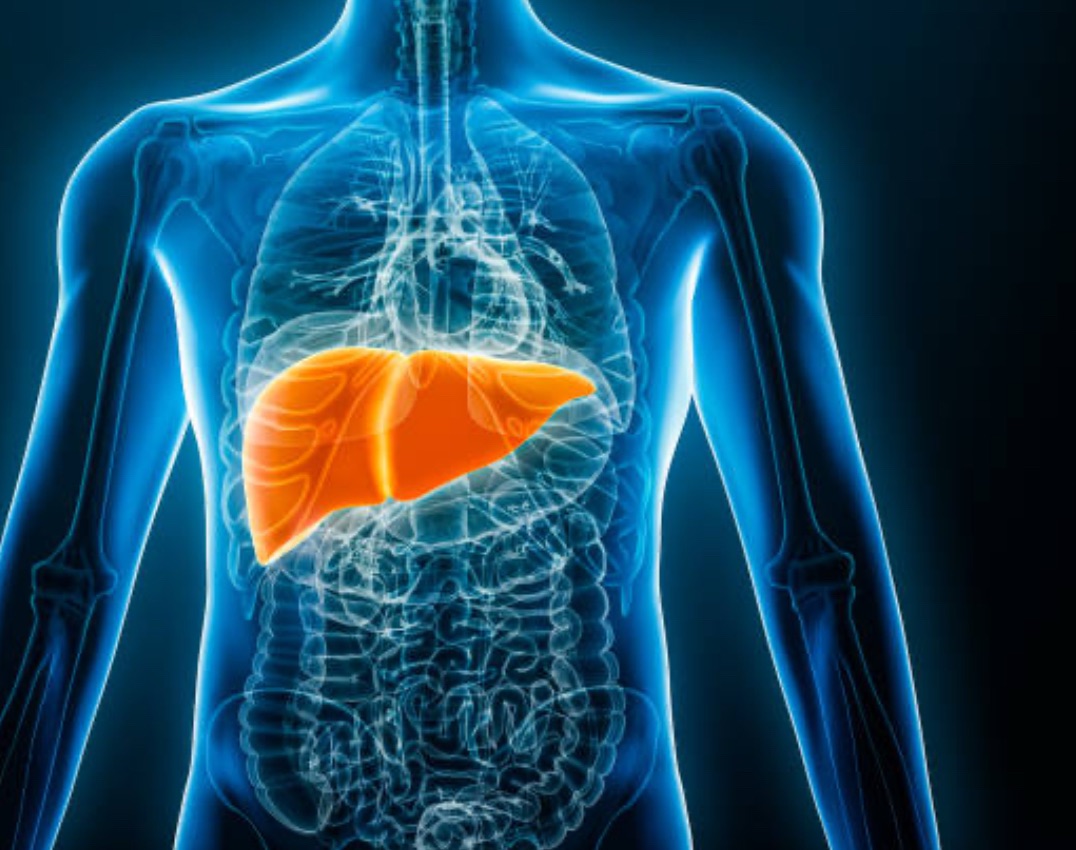

Alcoholism is a chronic condition that significantly affects physical, mental, and social health. Long-term alcohol use can lead to liver disease, neurological damage, cardiovascular issues, and nutrient deficiencies. These effects are often more pronounced in populations with higher rates of comorbidities and limited access to healthcare, such as Black men, who face systemic barriers, healthcare disparities, and social stressors that may exacerbate the consequences of alcohol use. Complementary approaches like milk thistle and vitamin B12 supplementation may offer supportive benefits in recovery, particularly in reducing some of the physiological damage associated with chronic alcohol consumption.

Milk thistle (Silybum marianum) is a medicinal herb with silymarin, a compound known for its antioxidant, anti-inflammatory, and liver-protective effects. Chronic alcohol use can lead to fatty liver, alcoholic hepatitis, fibrosis, or cirrhosis, with progression to end-stage liver disease in severe cases. In Black men, studies suggest higher rates of alcohol-related liver complications due to a combination of genetic, socioeconomic, and environmental factors. Silymarin may help protect liver cells from oxidative stress, promote regeneration, and improve liver enzyme levels (ALT and AST), although clinical evidence is mixed. While it cannot reverse advanced liver damage, milk thistle can be a valuable adjunct to medical care, helping preserve remaining liver function and slow disease progression. It is routinely medically used in end stage alcoholism.
Vitamin B12 (cobalamin) is essential for red blood cell formation, neurological health, and DNA synthesis. Alcoholism frequently leads to B12 deficiency through malnutrition, impaired absorption, and gastrointestinal damage, which may be more severe in Black men due to higher rates of metabolic and gastrointestinal comorbidities. Deficiency can contribute to peripheral neuropathy, cognitive decline, anemia, fatigue, and mood disturbances. Supplementation can restore B12 levels, improve neurological function, support red blood cell production, and enhance overall energy and quality of life. In advanced alcohol-related health issues, injections may be more effective than oral supplementation due to absorption challenges.
The combination of milk thistle and vitamin B12 provides complementary benefits. Milk thistle primarily supports liver health and reduces oxidative damage, while B12 addresses deficiencies that affect the nervous system and energy levels. For Black men, this combination may be particularly valuable because it targets two systems highly vulnerable to alcohol-related complications: the liver and nervous system. In end-stage alcoholism, while these supplements cannot reverse liver failure or severe neurological damage, they can improve metabolic stability, reduce symptom severity, and support ongoing medical treatment.
It is important to note that milk thistle and B12 are supportive, not curative. Optimal benefits occur when combined with abstinence from alcohol, a nutrient-rich diet, medical supervision, and behavioral interventions. Black men may face additional barriers, including underdiagnosis of liver disease, limited access to specialty care, and systemic stressors that influence alcohol use patterns. Targeted supplementation with milk thistle and B12 can be a practical strategy to mitigate some physical consequences while comprehensive care addresses behavioral and social factors.
In conclusion, milk thistle and vitamin B12 are valuable adjuncts in managing alcoholism, particularly in Black men who experience higher vulnerability to alcohol-related liver and neurological complications. Milk thistle helps protect and support liver function, while B12 restores essential nutrients for nerve and blood health. When combined with medical care, lifestyle interventions, and abstinence, these supplements can enhance recovery, improve quality of life, and reduce some long-term physiological consequences of alcoholism. Both vitamins are available over the counter without a prescription.
BY: BEWITTY Staff